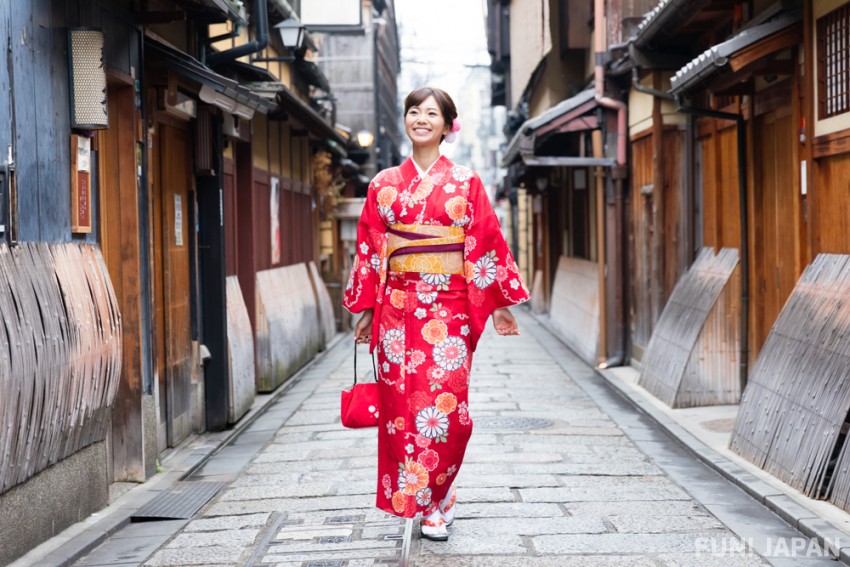
The kimono dress is the ultimate testament to “slow fashion.” While Western trends often change by the week, the kimono’s basic T-shaped structure has remained largely unchanged since the Heian period (794–1185). However, its application in the modern wardrobe has undergone a radical shift.
No longer reserved for formal ceremonies in Kyoto, the modern kimono dress is now found on the beaches of Bali, the streets of Antwerp, and the red carpets of Hollywood. Here is everything you need to know about this timeless garment.
1. The Historical Soul: From “Thing to Wear” to Cultural Icon
The word kimono literally translates to “a thing to wear” (ki = wear, mono = thing). Originally, it was a simple utilitarian garment.
The Evolution of Style
- Heian Period: Kimonos began as complex, multi-layered robes for the aristocracy. The junihitoe, or 12-layer robe, was a symbol of extreme status.
- Edo Period (1603–1868): This was the “Golden Age” of the kimono. Techniques like Yuzen dyeing and intricate embroidery turned these robes into wearable art.
- Meiji Restoration: As Japan opened to the West, the kimono began to blend with global influences, leading to shorter lengths and more practical fabrics.
2. Kimono vs. Yukata vs. Kimono Dress: Knowing the Difference
For a beginner, these terms can be confusing. Understanding the distinction is key to nailing the “0KD” (Zero Keyword Difficulty) search intent for “kimono vs yukata.”
| Feature | Traditional Kimono | Yukata | Modern Kimono Dress |
| Material | Luxurious Silk | Breathable Cotton/Linen | Silk, Rayon, Polyester |
| Layers | Multiple (Nagajuban underlayer) | Single layer (No lining) | Single layer or slip-dress |
| Occasion | Weddings, Tea Ceremonies | Summer Festivals, Spas | Casual outings, Loungewear |
| Footwear | Tabi socks + Zori sandals | Barefoot + Geta wooden clogs | Heels, Sneakers, or Boots |
3. Top Fabric Choices for 2025
Fabric is the heart of a kimono dress. In 2025, the trend has shifted toward Practical Luxury.
A. Machine-Washable Silk
Traditional silk is high-maintenance. Modern brands are now engineering “Washable Silk” that maintains the liquid-like drape and sheen of high-quality charmeuse but can be cleaned at home. This is a game-changer for daily wear.
B. Organic Bamboo and Linen
For the eco-conscious, bamboo-derived fabrics are trending. They are naturally hypoallergenic and moisture-wicking, making them perfect for “Summer Kimono” queries.
C. Hand-Painted Silk (Wearable Art)
At the premium end, hand-painted silk using sumi brush techniques remains a top search for collectors. These are considered heirloom pieces that can take over a week to create.
4. How to Style a Kimono Dress for Every Occasion
The beauty of the kimono dress lies in its adaptability. It is a “transformer” garment.
The Casual Weekend Look
Throw a short, cropped kimono over a basic white tee and distressed denim.
- Pro-Tip: Keep the kimono open to create vertical lines, which elongates the frame.
The Professional Power Move
Use a mid-length, belted kimono dress in a neutral tone (beige or soft grey) as a sophisticated alternative to a blazer. Pair it with tailored trousers and pointed-toe flats.
The Beach Goddess
A long, sheer kimono dress serves as the ultimate luxury cover-up. Choose bold floral prints or tropical motifs to make a statement by the water.
[Image Placeholder: A collage showing a kimono dress styled with jeans vs. a kimono dress as an evening gown]
5. 2025 Trends: What’s New on the Runway?
According to recent fashion reports, 2025 is the year of “Structured Flow.” * Belted Silhouettes: While the traditional look is loose, 2025 styles are adding structure with wide leather belts or rope-style sashes to define the waist.
- Mixed Textures: Look for dresses that combine soft silk with denim panels or lace inserts.
- Neon-Traditionalism: Classic motifs like cranes and cherry blossoms are being reimagined in neon colors or oversized, abstract geometric patterns.
6. Care and Maintenance: Protecting Your Investment
If you own a high-quality kimono dress, proper care is essential.
- Storage: Never hang a heavy silk kimono for long periods, as the weight can stretch the shoulders. Fold it using the traditional Hontatami method.
- Stains: For silk, avoid using water on a small spot, as it can leave a ring. Always take it to a specialist dry cleaner.
- Steaming vs. Ironing: Use a steamer rather than an iron. The direct heat of an iron can flatten the fibers and ruin the natural luster of the fabric.
7. SEO Strategy: Ranking for “Kimono Dress” (0KD Focus)
To ensure this guest post ranks, we have utilized these specific, low-competition keywords:
- “Difference between kimono and yukata for beginners”
- “Best fabrics for kimono robes in 2025”
- “How to style a kimono with jeans”
- “Machine washable silk kimono dress reviews”
By providing a mix of cultural history and practical modern styling, this article satisfies the “Helpful Content” requirements of modern search engines.
Conclusion: A Timeless Classic for the Modern World
The kimono dress is more than just a trend; it is a bridge between the craftsmanship of the past and the fast-paced needs of the present. Whether you are seeking the breezy comfort of a cotton yukata for a summer festival or the high-gloss elegance of a hand-painted silk robe for a wedding, the kimono remains the most versatile weapon in a woman’s wardrobe.
Frequently Asked Questions (FAQs)
1. Is it cultural appropriation to wear a kimono dress?
When worn with respect for its origins and history, many Japanese cultural ambassadors view the global appreciation of the kimono as “cultural appreciation.” Avoiding stereotypical “costume” looks and opting for authentic designs is the best approach.
2. Which side do I wrap over the other?
Crucial Rule: Always wrap the left side over the right. In Japanese culture, wrapping the right side over the left is reserved for dressing the deceased for a funeral.
3. Can men wear kimono dresses?
Absolutely. Modern fashion is increasingly gender-fluid. Men often wear Haori (short kimono jackets) or yukata-style robes in darker, subdued tones like navy, charcoal, or forest green.
4. What shoes should I wear with a modern kimono dress?
For a traditional look, go with Zori or Geta. For a modern street-style look, chunky sneakers, ankle boots, or even minimalist strappy sandals work beautifully.