


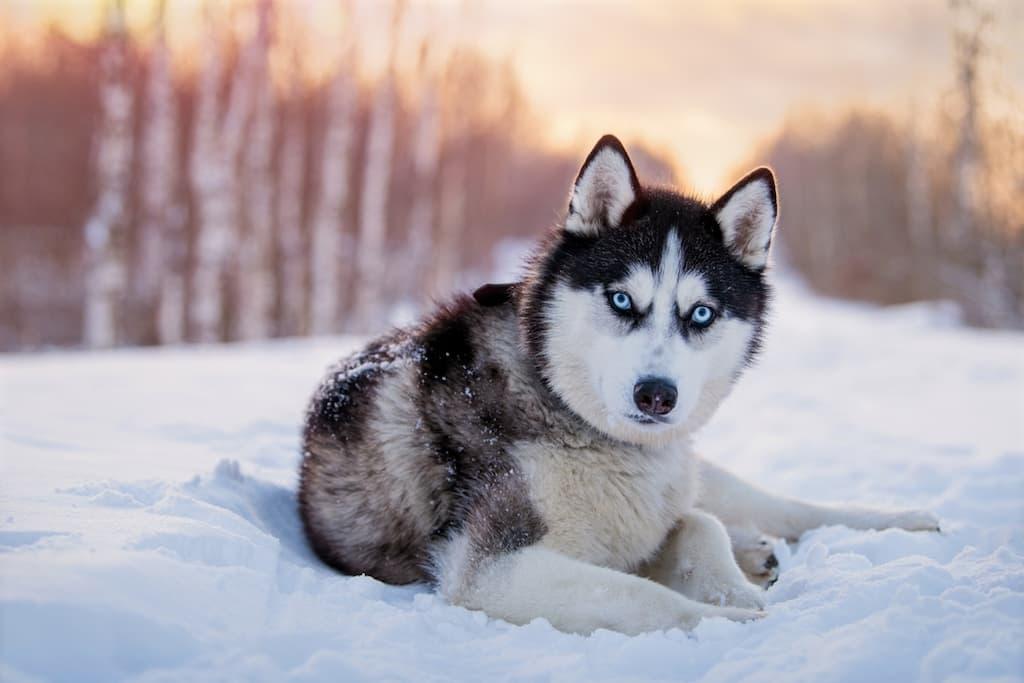
If you’ve ever seen a Siberian Husky — those striking blue eyes, fluffy tails, and wolf-like looks — you already know they are among the most charming dog breeds in the world. Known for their stamina, intelligence, and loyal nature, how long do huskies live have captured hearts everywhere. But if you’re planning to adopt or already own one, one question naturally comes to mind:
How long do Huskies live?
On average, Huskies live around 12 to 15 years. Some even go beyond 15 with proper care, diet, exercise, and genetics. Their lifespan is considered relatively long compared to other medium-to-large dog breeds.
However, lifespan is not just a number. It depends on multiple factors like lifestyle, health care, environment, and how responsible the owner is. In this article, we’ll dive deep into everything you need to know about Husky lifespan — growth stages, common health issues, longevity tips, diet secrets, exercise routines, and much more.
Grab a cup of coffee — let’s explore the life of this majestic breed.
Average Lifespan of a Siberian Husky
One of the first things potential owners ask is: How many years will my Husky stay with me?
General lifespan expectation:
- Average lifespan → 12–15 years
- Healthy & well-maintained Huskies → 14–16 years
- Exceptional cases → 17+ years
Why Do Huskies Live This Long?
Huskies were originally bred for harsh arctic climates, pulling sleds for long distances. Their genetic structure is robust, giving them strong immunity, stamina, and endurance.
Factors That Influence Husky Lifespan
Not every Husky lives the same number of years. Many factors influence how long they stay healthy and active.
1. Genetics
Just like humans, genetic background matters.
- Huskies with healthy parents live longer.
- Breeding from reputable breeders reduces inherited health risks.
- Mixed Huskies sometimes live slightly longer due to gene diversity.
2. Diet
Nutrition plays a major role in preventing obesity, heart problems, and joint issues.
A poor diet = shorter life
A high-quality diet = increased lifespan
3. Exercise
Huskies are high energy dogs. Lack of physical activity can lead to anxiety, destructive behavior, or health decline.
Recommended exercise time daily:
- 1 to 2 hours of physical activity
- Running, hiking, agility training
- Mental stimulation games
4. Healthcare & Vet Checkups
Annual medical examinations help detect diseases early.
Vaccination + dental hygiene + deworming = longer life
5. Living Conditions
Environment matters:
- Clean & safe home
- Temperature control (Huskies prefer cold climates)
- Indoor sleeping space improves survival
Life Stages of a Husky — Age Milestones
To understand Husky lifespan better, let’s break down stages of life.
| Age | Stage | Characteristics |
|---|---|---|
| 0–1 year | Puppy | Growing fast, teething, training essential |
| 1–7 years | Adult | Highly energetic, peak physical strength |
| 8+ years | Senior | Slower movement, extra health care needed |
Life Stage Overview
- Puppy Stage (0–12 months)
This is the learning period — socialization, obedience, house training. They chew a lot, play nonstop, and demand attention. - Adult Stage (1–7 years)
Full of enthusiasm, perfect for active owners. You’ll see their personality develop clearly during this period. - Senior Stage (8+ years)
Activity reduces, diet needs monitoring, joint supplements are helpful. Plenty of love keeps them young at heart.
Common Health Problems in Huskies
Although Huskies are generally healthy, they may develop certain conditions over time.
Most common issues:
- Hip Dysplasia
- Cataracts & Eye problems
- Hypothyroidism
- Allergies
- Zinc deficiency
- Arthritis in older age
Signs Your Husky Needs Vet Attention
- Sudden weight gain/loss
- Limping or stiffness
- Cloudy eyes
- Excessive shedding (beyond seasonal)
- Loss of appetite
- Behavioral changes
If caught early, most issues are manageable — meaning longer lifespan.
Diet Guide to Increase Husky Lifespan
Food is fuel. Quality diet equals quality life.
Good Food Choices:
- Lean meats: chicken, fish, turkey
- Brown rice or oats
- Vegetables like carrots, peas, spinach
- Omega-3 sources like salmon oil
- High-protein kibble
Avoid:
- Chocolate
- Grapes/raisins
- Processed foods
- Onions & garlic
- Excess salt & sugar
Meal Tips:
- Feed 2 meals daily for adults.
- Puppies require 3 small meals.
- Fresh drinking water available all day.
Small habits add years.
Exercise Routine for a Healthy Husky
Huskies LOVE running. They were built for movement.
Try mixing their daily routine:
- Morning walk (30–45 min)
- Evening running session
- Weekend hiking
- Tug-of-war games
- Puzzle toys
- Fetch or frisbee
A tired Husky = A happy Husky.
Without exercise, they become bored and destructive.
How to Maximize Your Husky’s Lifespan?
If you want your Husky to live longer than average, follow these simple habits.
Daily Care Checklist:
- ✔ Provide balanced nutrition
- ✔ Exercise regularly
- ✔ Keep them mentally stimulated
- ✔ Brush coats to reduce shedding issues
- ✔ Clean ears & trim nails
- ✔ Provide fresh water
- ✔ Regular vet visits
5 Things Huskies Love:
- Cool environments
- Running instead of slow walks
- Attention and companionship
- Toys that challenge the mind
- A routine (sleep, feeding, training times)
Do Male or Female Huskies Live Longer?
Not always, but statistics show:
- Females may live slightly longer
- Difference is small (few months to a year)
Spaying/neutering also reduces some cancer risks.
Indoor vs Outdoor — What’s Better for Lifespan?
Huskies enjoy outdoors but should not live outside permanently.
Outdoor-only dogs face:
- Temperature risks
- Parasites
- Accidents
- Loneliness
Indoor + outdoor play is best. A family environment makes them emotionally healthy.
Signs of Aging in Huskies
As your Husky grows older, you might notice:
- Slower movement
- More naps
- Less excitement during exercise
- Greying fur around eyes
- Stiff joints
- Hearing reduction
Old age is natural — but love keeps them strong.
Real Tips from Long-Term Husky Owners
Experienced owners often share simple but powerful advice:
- Feed natural food more than processed.
- Keep weight under control.
- Invest time in play and bonding.
- Train early to avoid behavior issues.
- Huskies need attention — don’t ignore them.
Some owners proudly report their Huskies living 16+ years, thanks to lifestyle balance.
Conclusion — How Long Do Huskies Live Really?
So ultimately, Huskies live about 12–15 years, but with excellent care, they can enjoy a long, joyful life even beyond that. These dogs are more than pets — they are loyal partners, adventure buddies, and family members. Their energy, intelligence, and affection fill homes with joy.
Cherish every moment, give them love, time, good food, exercise, and you might just be rewarded with years of wagging tails and unforgettable memories.