Wine has existed for thousands of years, but few varieties carry the richness, depth, and cultural heritage that fortified wine does. It is more than just another beverage — it represents craftsmanship, tradition, and a marriage of flavors enhanced through the addition of distilled spirits. Whether it’s sipped slowly after dinner, used in cocktails, paired with cheese, or savored during celebrations, fortified wine offers a unique complexity that has captivated connoisseurs for centuries.
If you’re preparing a guest post or looking to rank your article on wine-related keywords, this long-form guide will help you stand out. This piece is fully original, detailed, and tailored for readers looking for knowledge, recommendations, and the story behind fortified wine.
What Is Fortified Wine?
Fortified wine is a style of wine that has been blended with a distilled spirit, typically brandy, to increase its alcohol content and enhance its flavor profile. Unlike ordinary wine, fortified wine usually contains between 15%–22% alcohol by volume, making it richer, sweeter, and more robust.
Fortification was originally used to preserve wine during long sea voyages. Today, it has evolved into a sophisticated beverage style enjoyed globally in homes, bars, and restaurants.
In simple terms:
Wine + Distilled Spirit (usually brandy) = Fortified Wine
This process creates iconic wines like Port, Sherry, Madeira, Marsala, and Vermouth.
A Brief History of Fortified Wine
The story of fortified wine dates back to the 17th century, when winemakers discovered that adding spirits to wine made it more stable and longer-lasting. Ships could carry fortified wine across oceans without spoilage, making it a thriving global trade product.
Key milestones include:
- Portuguese merchants developed Port wine for British markets.
- Spain crafted Sherry, a staple drink in European courts.
- Italy refined Marsala, pairing it with cuisine and cooking.
- Madeira wine became popular among sailors and American colonists.
- Vermouth rose as a favorite cocktail ingredient in modern mixology.
Fortified wine is not just a drink — it’s a piece of cultural heritage.
How Fortified Wine Is Made
Though production varies by region and style, the process generally follows four steps:
1. Fermentation
Grapes are fermented like standard wine.
2. Fortification
A distilled spirit (often grape brandy) is added. This may occur:
- During fermentation → results in sweeter wine
- After fermentation → results in drier wine
3. Aging
Wine is aged in barrels or casks for months to decades. Aging deepens flavor, color, and aroma.
4. Bottling
Some wines are filtered and bottled young, while others spend many years maturing.
The timing of spirit addition largely determines sweetness — a defining characteristic of fortified wines.
Types of Fortified Wines
There are several varieties of fortified wines, each offering unique qualities. Understanding them helps wine enthusiasts choose the perfect bottle for any occasion.
1. Port Wine (Portugal)
Port is sweet, rich, and typically enjoyed as a dessert wine.
Flavors: Dark berries, chocolate, caramel, nuts
Best With: Cheese boards, dark chocolate, cigars, desserts
Popular Types: Ruby Port, Tawny Port, Vintage Port, White Port
Ruby Ports are fruit-forward and youthful, while Vintage Ports age for decades, gaining complexity.
2. Sherry (Spain)
Sherry ranges from dry and crisp to sweet and creamy, offering vast versatility.
Flavors: Almond, citrus, caramel, dried fruit
Pairs Well With: Olives, seafood, tapas, pastries
Sherry varieties include Fino, Amontillado, Oloroso, Pedro Ximénez, each offering different levels of sweetness and oxidation.
3. Madeira (Portugal)
A highly durable fortified wine known for its caramelized, nutty character.
Flavors: Toffee, roasted nuts, spice, dried fruit
Famous For: Its indestructibility — bottles last decades
Madeira survives heat, sea transport, and aging beautifully.
4. Marsala (Italy)
Widely used in cooking, but also delicious to sip.
Flavors: Vanilla, apricot, tamarind, brown sugar
Used For: Chicken Marsala, desserts, creamy sauces
Available in both sweet and dry forms.
5. Vermouth (Italy/France)
A fortified + aromatized wine infused with herbs and spices.
Types: Dry Vermouth, Sweet Vermouth
Essential In Cocktails: Negroni, Martini, Manhattan
It is both a drink and an iconic mixology masterpiece.
6. Commandaria & Others
Lesser-known but historically rich varieties include:
- Commandaria (Cyprus)
- Banyuls (France)
- Pineau des Charentes (France)
- Moscatel de Setúbal (Portugal)
Each region adds its unique touch to the fortified tradition.
Flavor Profiles & Tasting Notes
Fortified wines vary significantly, but common traits include:
| Taste | Notes |
|---|---|
| Sweetness | From semi-sweet to dessert-level |
| Aroma | Nutty, fruity, floral, caramelized |
| Body | Rich and full compared to table wine |
| Finish | Warm, lingering due to higher alcohol |
Differentiating wines comes down to sweetness, oxidation, and grape variety.
How to Serve Fortified Wine
Serving properly enhances the experience.
Ideal Temperature
- Sweet Ports: 60–65°F (15–18°C)
- Sherry: 45–55°F (7–13°C) depending on style
- Vermouth: Chilled for cocktails
- Madeira/Marsala: Room temperature or slightly cool
Glassware
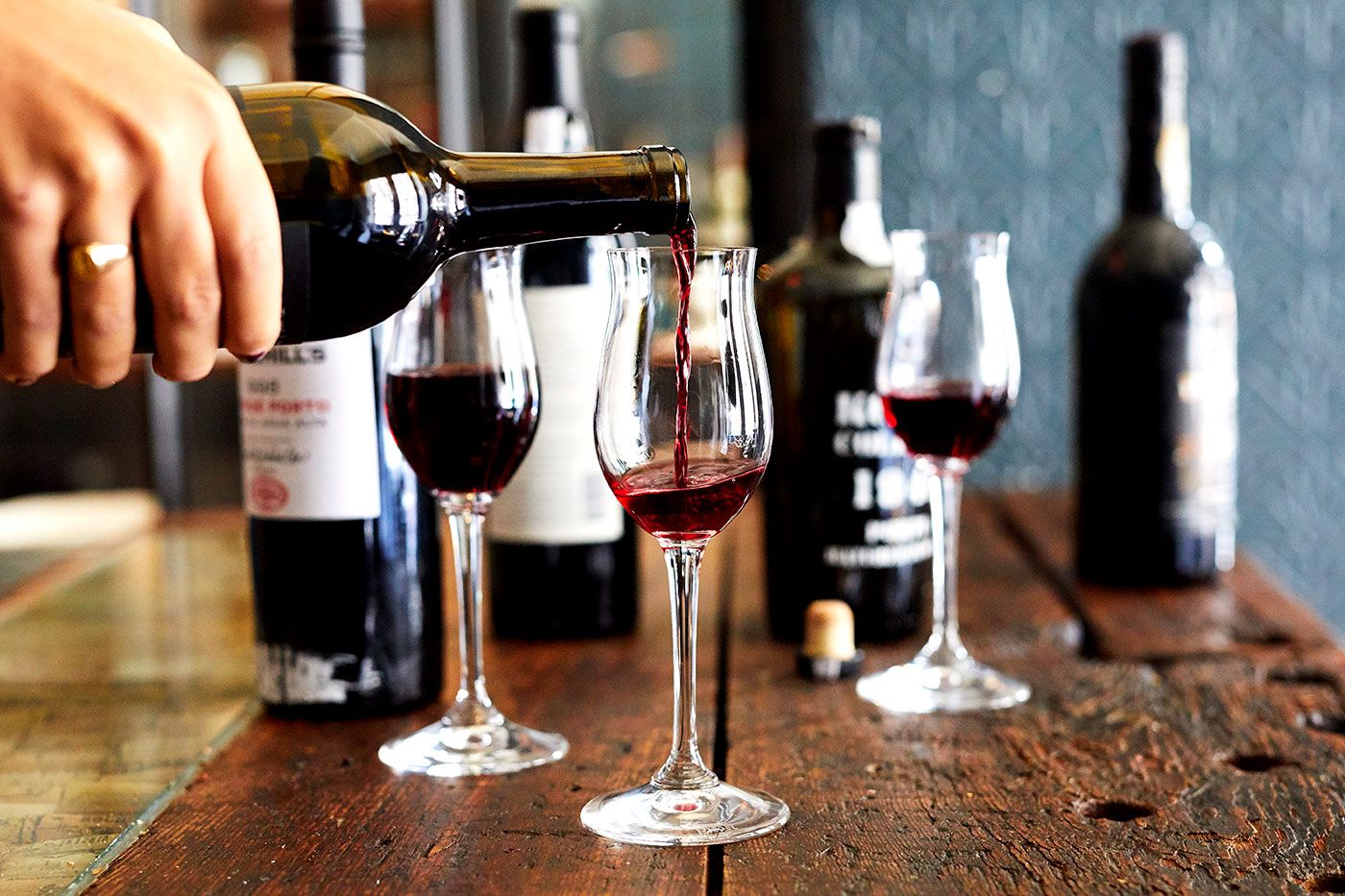
Small tulip-shaped glasses concentrate aroma for an elevated tasting.
Storage
Fortified wines last longer than regular wines after opening, especially Madeira and Sherry.
Pairing Fortified Wine with Food
Pairing food with fortified wines enhances flavors beautifully.
Best Pairings:
🍫 Chocolate & Desserts → Ruby Port
🧀 Cheese platters → Tawny Port or Sherry
🍗 Savory meals like poultry or veal → Dry Marsala
🍤 Seafood tapas → Fino or Manzanilla Sherry
🍸 Cocktails & mixers → Sweet/Dry Vermouth
🥧 Cakes & pastries → Pedro Ximénez Sherry
Matching intensity is key: sweet wines with sweet dishes, dry wines with salty or savory dishes.
Fortified Wine in Cocktails
Cocktails wouldn’t be the same without Vermouth and Port.
Popular drinks include:
- Martini
- Manhattan
- Negroni
- Port Tonic
- Sherry Cobbler
Fortified wines bring character and depth to any mix.
Health & Nutrition
Moderate consumption may offer benefits such as:
💚 Antioxidant properties
💚 Improved digestion (Sherry traditionally used as aperitif)
💚 Resveratrol content supporting heart health
However, like any alcoholic beverage:
⚠ Moderation is essential
⚠ Overconsumption has health risks
One or two small servings are typically recommended for responsible enjoyment.
Fortified Wine Buying Guide
Before purchasing, consider:
✔ Sweetness Level
Dry, semi-sweet, or dessert-sweet?
✔ Aging Style
Younger = fresh & fruity
Older = deeper, nutty, complex
✔ Intended Use
Sipping, cooking, or cocktails?
✔ Budget
Options range from affordable to collector-level bottles.
Fortified wine caters to every taste and price range.
Why Fortified Wine Makes a Great Guest Post Topic
This subject ranks well for:
- Wine blogs & review sites
- Food pairing & culinary websites
- Travel, culture, lifestyle & gourmet niches
- Google search queries like “What is fortified wine?”
- Affiliate or ecommerce content
Keywords around fortified wine demonstrate strong SEO potential for long-form content.
Fortified Wine vs Regular Wine
| Feature | Fortified Wine | Regular Wine |
|---|---|---|
| Alcohol | 15–22% | 8–15% |
| Flavor | Rich & intense | Light to medium |
| Shelf Life | Longer after opening | Shorter |
| Use | Sipping, cooking, cocktails | Mostly drinking |
| Preservation | Added spirits | Natural fermentation only |
Fortification changes the experience entirely.
Conclusion
Fortified wine is a celebration of tradition, flavor, and craftsmanship. From the deep sweetness of Port to the crisp elegance of Sherry, fortified wines offer unparalleled variety for sipping, pairing, and mixology. Their history spans continents, centuries, and cultures — making every glass a journey through time and taste.
Whether you’re a beginner exploring wine or a seasoned enthusiast building a collection, fortified wine provides a world of exceptional richness and character. With proper serving, pairing, and storage, you can unlock flavors that are both timeless and unforgettable.