If you’ve been scrolling through social media lately, you might have noticed a new beauty sensation taking the world by storm: batana oil. From TikTok influencers raving about its nourishing properties to beauty magazines calling it the “next rosemary oil,” this nutrient-packed oil has become a must-have in many people’s haircare and skincare routines. But what exactly is Batana oil, what makes it so special, and does it live up to the hype?
What Is Batana Oil?
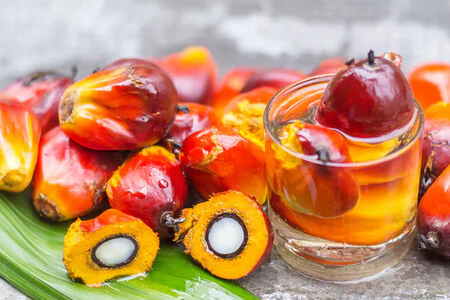
Batana oil, also known as ojon oil or American palm oil, is a rare botanical oil extracted from the nuts of the American palm tree (Elaeis oleifera). Native to Central and South America, particularly Honduras and Nicaragua, this oil has been cherished for centuries by the Miskito people, also called the Tawira, or “people of beautiful hair.”
Traditionally, the Miskito used oil to nourish hair, giving it strength, shine, and overall health. They also used it for various skin treatments, and sometimes even for medicinal purposes like easing stomach aches.
The extraction process of oil is meticulous and labor-intensive. The fruit is boiled, pounded, and the nuts are cracked open to release the kernels. These kernels are then cooked over a fire to extract the rich, red-orange oil. This careful, mostly manual process makes oil rare, precious, and highly valued in natural beauty circles.
Why Is Batana Oil So Popular?
You may wonder why oil has suddenly become a viral sensation. The answer lies partly in social media. Influencers on TikTok and Instagram have popularized it, often highlighting how it can reduce frizz, restore shine, and improve hair texture. Some even claim it can help regrow hair or reverse gray strands.
However, while the anecdotal evidence is widespread, clinical research on batana oil’s ability to stimulate hair growth is limited. Experts like board-certified dermatologists Divya Shokeen M.D. and Karan Lal D.O., M.S. emphasize that while oil nourishes and strengthens hair, it does not directly regrow hair. Instead, it creates a healthier environment for hair to thrive, which can reduce breakage and support length retention.
Key Properties of Batana Oil
Batana oil is rich in nutrients that make it beneficial for hair and skin. Here’s a breakdown of its key properties:
- Rich in fatty acids: It contains high levels of linoleic acid (omega-6) and oleic acid (omega-9), which help lock in moisture and improve hair elasticity.
- Antioxidant power: Packed with beta-carotene, vitamin E (alpha-tocopherol), and tocotrienols, oil protects hair and skin from environmental damage, reduces dryness, and boosts shine.
- Nourishing: Regular use of oil can help reduce frizz, smooth split ends, and give hair a healthier appearance.
- Thick and penetrating: Its butter-like texture works best for thick, curly, or coily hair, as it penetrates deeply and provides long-lasting moisture.
Benefits of Batana Oil for Hair
While batana oil might not be a miracle hair regrowth solution, its cosmetic benefits are undeniable. Here’s what it can do for your hair:
- Nourishes and moisturizes: The fatty acids in batana oil penetrate the hair shaft, softening dry, brittle hair and restoring elasticity.
- Reduces frizz: Regular application helps smooth the hair cuticle, minimizing frizz and flyaways.
- Strengthens hair: By moisturizing and nourishing, oil reduces breakage and split ends, which helps maintain length over time.
- Protects the scalp: The antioxidants in oil support scalp health and may reduce dryness or flaking.
- Adds shine: Natural oils like oil coat the hair shaft, creating a soft, glossy finish without synthetic chemicals.
Benefits of Batana Oil for Skin
While most people know batana oil for hair, it’s also excellent for skin care:
- Moisturizing: Locks in hydration and helps prevent dryness.
- Antioxidant-rich: Protects skin from environmental stressors and free radicals.
- Soothes irritation: Its gentle properties can calm dry or flaky skin.
How to Use Batana Oil: Step-by-Step Guide
Here’s a practical guide to using batana oil for optimal hair and scalp health:
1. Pre-Shampoo Hair Treatment
- Take a small amount of oil and warm it between your palms.
- Massage it gently into your scalp for 3–5 minutes to stimulate circulation.
- Distribute the remaining oil through your hair, focusing on the ends.
- Leave it on for 30 minutes or overnight for deeper conditioning.
- Wash thoroughly with a mild shampoo.
2. Hair Mask
- Divide hair into sections and apply oil evenly.
- Cover hair with a shower cap and leave for at least 1 hour.
- Shampoo and condition as usual.
- Repeat 1–2 times per week for dry or damaged hair.
3. Leave-In Conditioner
- Apply a tiny amount to damp hair, focusing on ends.
- Avoid the scalp if you have fine or oily hair.
- Style as usual to enjoy softer, shinier hair throughout the day.
4. Protective Styles
- Pair batana oil with braids, twists, or buns.
- This helps lock in moisture, reduces breakage, and keeps hair healthy during styling.
Who Should Use Batana Oil?
Batana oil is suitable for:
- Thick, curly, or coily hair
- Dry or damaged hair
- Hair with split ends or frizz
- People looking for a natural, nourishing treatment
However, avoid applying directly to the scalp if you have fine, thin, or oily hair, as it can weigh strands down. Those with sensitive scalps should do a patch test first.
Side Effects and Precautions
Batana oil is generally safe, but some people may experience minor issues:
- Greasy hair: Using too much on fine hair can leave strands heavy.
- Scalp irritation: Rare but possible, especially for sensitive skin. Always do a patch test.
- Allergies: People with nut allergies should exercise caution.
Alternatives to Batana Oil
If you can’t find oil or prefer other options, there are alternatives with similar benefits:
- Rosemary oil: May help improve scalp circulation and strengthen hair.
- Castor oil: Known for its thick, moisturizing properties.
- Pumpkin seed oil: Contains nutrients that support hair health.
- Peppermint oil: Stimulates scalp circulation and refreshes the scalp.
Expert Insights
Dermatologists Divya Shokeen M.D. and Karan Lal D.O., M.S. highlight that while batana oil may not regrow hair, it improves hair health and reduces breakage. Scalp massages with oil can also promote better blood flow to hair follicles, indirectly supporting hair retention and healthier growth conditions.
Batana Oil in Cosmetic Formulations
For DIY enthusiasts and cosmetic formulators, batana oil can be incorporated into:
- Hair masks and deep conditioners
- Leave-in serums
- Natural skincare creams and balms
Its rich red-orange color and antioxidant properties make it a unique addition to botanical formulations. Using unrefined oil ensures maximum nutrient retention.
FAQs About Batana Oil
Does batana oil regrow hair?
No, there’s no scientific evidence that oil stimulates hair regrowth. It primarily nourishes and strengthens hair.
Is it suitable for all hair types?
It’s best for thick, curly, or dry hair. Fine or oily hair types should use it sparingly to avoid greasiness.
Can it help with split ends?
Yes! Its moisturizing properties help prevent breakage and soften hair ends.
Is batana oil safe for skin?
Generally, yes. It’s rich in antioxidants and fatty acids that support skin hydration. Always perform a patch test first.
Final Thoughts
Batana oil is a nutrient-packed, natural oil with centuries of history behind it. While it may not be a miracle cure for hair loss or gray hairs, its rich fatty acids, antioxidants, and moisturizing properties make it an excellent addition to haircare and skincare routines.
Whether you want to reduce frizz, strengthen your strands, or add a natural glow to your skin, batana oil offers a simple, effective, and luxurious solution. Combined with proper hair care practices and treatments for hair loss when necessary, oil can help your hair look and feel its best.