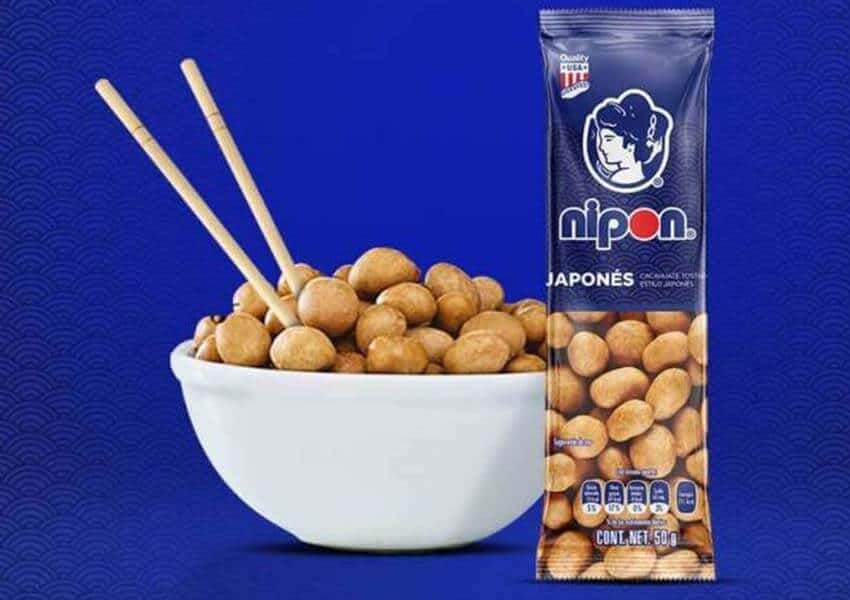
Japanese peanuts are one of those rare snacks that instantly stand out—not just for their taste, but for their story. With a crunchy outer shell, a savory-sweet coating, and a roasted peanut core, they offer a layered eating experience that feels both familiar and unique. Although the name suggests origins in Japan, the snack actually represents a fascinating blend of cultures, flavors, and culinary creativity.
Today, Japanese peanuts are enjoyed across multiple continents, loved for their satisfying crunch, long shelf life, and versatility as both a casual snack and a party favorite. This article explores everything you need to know about Japanese peanuts—from their origins and production process to their nutritional value, cultural relevance, and growing global demand.
What Are Japanese Peanuts?
Japanese peanuts are roasted peanuts coated in a crunchy shell made from wheat flour, sugar, soy sauce, and seasonings. Unlike plain roasted peanuts, they are known for their distinctive oval shape, hard outer crust, and balanced savory-sweet flavor.
What makes them especially appealing is their texture contrast:
- A crisp, lightly seasoned exterior
- A crunchy, nutty peanut center
This dual texture sets Japanese peanuts apart from traditional nut snacks and makes them addictive in the best possible way.
The Surprising Origin of Japanese Peanuts
Despite their name, Japanese peanuts were not originally invented in Japan. Their modern version was developed in Mexico during the 20th century by Japanese immigrants who adapted traditional coating techniques to locally available peanuts.
Over time, the snack became deeply rooted in Mexican snack culture and later spread internationally. The name “Japanese peanuts” stuck because of the preparation method and cultural influence, not because of geographic origin.
This cross-cultural background is one of the reasons the snack resonates globally—it reflects innovation, adaptation, and shared culinary traditions.
How Japanese Peanuts Are Made
The production process of Japanese peanuts is both simple and precise. Each step contributes to the final flavor and texture.
1. Selecting the Peanuts
High-quality raw peanuts are essential. Medium-sized peanuts with consistent shape are preferred to ensure even coating and roasting.
2. Preparing the Coating
The outer shell is made using a mixture of:
- Wheat flour
- Water
- Sugar
- Soy sauce or salt
- Optional spices
This batter is what gives Japanese peanuts their signature crunch and mild sweetness.
3. Layering Process
Peanuts are rotated in large drums while the coating mixture is added gradually. This allows multiple thin layers to form around each peanut rather than one thick shell.
4. Roasting
Once coated, the peanuts are roasted until the shell becomes golden and crisp and the peanut inside is perfectly cooked.
5. Cooling and Packaging
After roasting, the peanuts are cooled to preserve texture before being packaged for retail or bulk distribution.
Flavor Profile: Why People Love Japanese Peanuts
Japanese peanuts succeed because of balance. They are not overly salty, not too sweet, and not greasy. Instead, they offer:
- A mild umami note from soy-based seasoning
- Light sweetness that enhances, not overpowers
- A clean roasted peanut flavor
This balance makes them appealing to a wide range of palates, from children to adults, and suitable for casual snacking or social gatherings.
Nutritional Value of Japanese Peanuts
While Japanese peanuts are a snack food, they still offer nutritional benefits thanks to their peanut base.
Key Nutritional Highlights
- Protein: Peanuts are a good plant-based protein source
- Healthy fats: Mainly unsaturated fats that support heart health
- Energy: Calorie-dense, making them satisfying and filling
- Minerals: Contains magnesium, phosphorus, and potassium
Things to Keep in Mind
- The outer coating adds carbohydrates and sodium
- Portion control is important for calorie-conscious consumers
When eaten in moderation, Japanese peanuts can be part of a balanced diet.
Japanese Peanuts vs. Other Peanut Snacks
Japanese peanuts stand out when compared to other popular peanut varieties.
To Compared Plain Roasted Peanuts
- More texture
- More complex flavor
- Slightly higher calorie content
Compared to Honey-Roasted Peanuts
- Less sweet
- More savory and balanced
Compared to Spicy Peanuts
- Milder heat
- More universally appealing
Their versatility makes them suitable for people who prefer subtle flavors rather than extreme seasoning.
Cultural Significance and Global Popularity
Japanese peanuts are especially popular in:
- Latin America
- East and Southeast Asia
- Parts of the United States
They are commonly served at:
- Family gatherings
- Parties and celebrations
- Bars and casual restaurants
Their long shelf life and resistance to spoilage also make them a popular export snack, especially in regions with warm climates.
Why Japanese Peanuts Are Ideal for Guest Posting Topics
From a content and SEO perspective, Japanese peanuts are an excellent topic for guest posts because they sit at the intersection of:
- Food culture
- Snack trends
- International cuisine
- Consumer interest
They allow writers to target keywords related to:
- Ethnic snacks
- Peanut-based foods
- Imported or fusion snacks
- Healthy-ish snacking options
This makes the topic appealing to food blogs, lifestyle websites, health platforms, and e-commerce content hubs.
Market Demand and Commercial Use
Japanese peanuts are widely use in:
- Retail snack packaging
- Bulk food markets
- Private-label snack brands
- Online snack stores
Because they are affordable to produce and have broad appeal, they are often included in mix snack assortments and party packs.
Their consistent shape and durability also make them ideal for automated packaging and large-scale distribution.
Storage and Shelf Life
Properly stored Japanese peanuts can last several months without losing quality.
Best Storage Practices
- Keep in airtight containers
- Store in a cool, dry place
- Avoid exposure to humidity and heat
These practices help maintain crunch and prevent the coating from softening.
Common Variations of Japanese Peanuts
Over time, manufacturers have introduced variations to meet changing consumer preferences.
Popular Variations Include:
- Spicy Japanese peanuts
- Garlic-flavored versions
- Low-sodium options
- Wasabi-coated peanuts
These variations allow brands to expand their product lines while maintaining the core identity of the snack.
Are Japanese Peanuts Suitable for Everyone?
Japanese peanuts are generally enjoy by a wide audience, but there are some considerations:
- Allergies: Contain peanuts and wheat
- Gluten: Not suitable for gluten-free diets unless specially formulated
- Sodium content: Should be monitore by individuals on low-sodium diets
Clear labeling helps consumers make informed choices.
The Future of Japanese Peanuts in the Snack Industry
As global snack trends move toward:
- International flavors
- Crunchy textures
- Familiar but upgraded foods
Japanese peanuts are well-position for continue growth. Their fusion identity fits perfectly with modern consumer curiosity and demand for variety.
Brands that focus on clean ingredients, innovative flavors, and attractive packaging are likely to see strong performance in both domestic and export markets.
Final Thoughts
Japanese peanuts are more than just a crunchy snack—they are a product of cultural exchange, culinary innovation, and timeless appeal. Their balanced flavor, satisfying texture, and versatility have helped them remain popular across generations and borders.
For content creators, marketers, and guest posting opportunities, Japanese peanuts offer a rich topic that combines food history, nutrition, and consumer relevance. For consumers, they remain a dependable, enjoyable snack that delivers comfort and crunch in every bite.