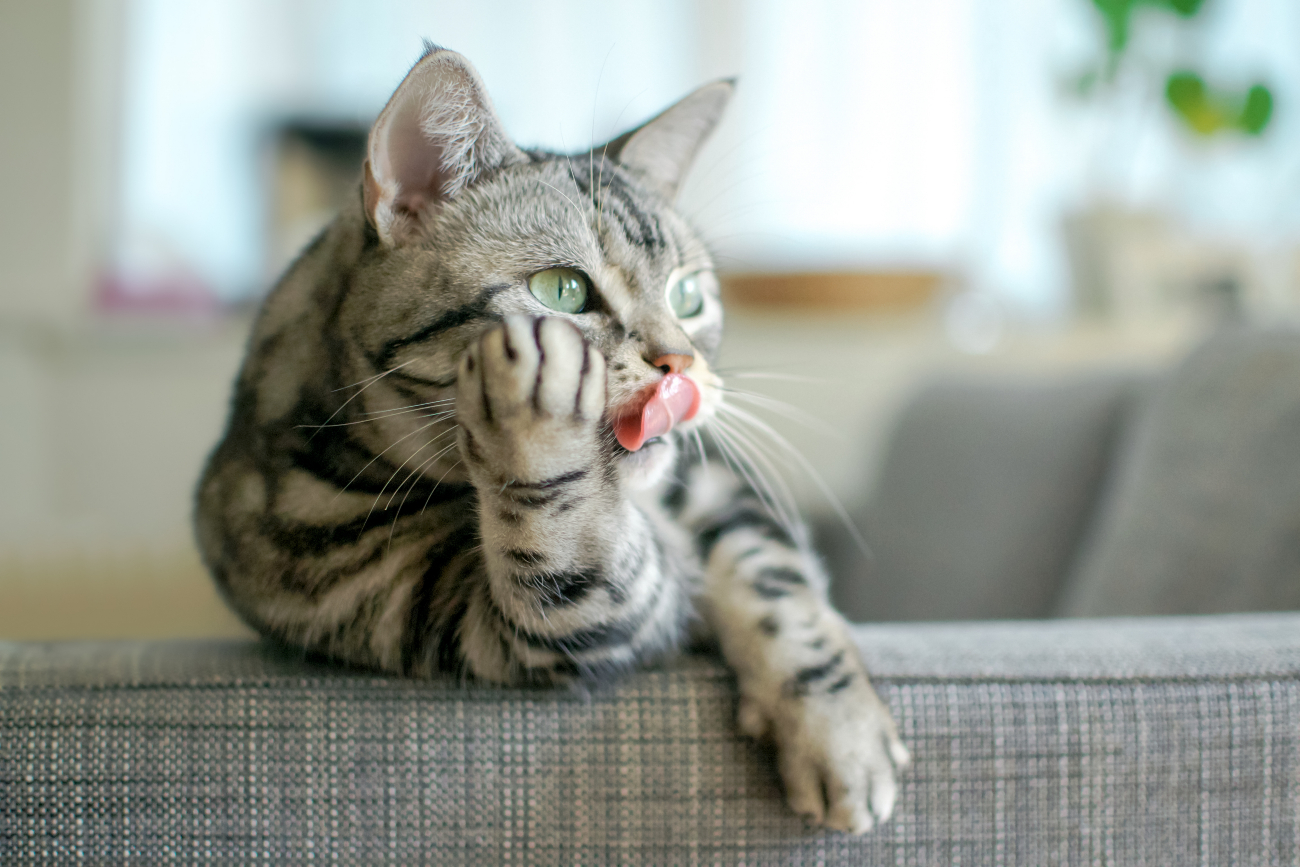
Cats have long been admired for their enigmatic behavior and independent personalities. Anyone who has observed a cat closely knows that these animals often seem lost in thought, contemplating the world around them with a quiet intensity. Cat thinking is not just a whimsical concept; it is a fascinating window into the complex minds of our feline companions. In this article, we delve deep into the intricacies of how cats perceive their surroundings, process emotions, and make decisions, offering a comprehensive understanding for cat lovers and enthusiasts alike.
The Cognitive Abilities of Cats
Cats are intelligent creatures with highly developed cognitive abilities that allow them to analyze their environment and respond accordingly. Unlike dogs, who often show immediate reactions to human cues, cats demonstrate a more measured approach. Their thinking process involves careful observation, assessment of risks, and strategic decision-making. This is why a cat may stare at an object for several minutes before interacting with it, showcasing their natural curiosity and thoughtful evaluation of potential threats or rewards.
How Cats Perceive the World
The feline sensory system is incredibly sophisticated. Cats rely heavily on their senses of sight, smell, and hearing to interpret their surroundings. Their sharp vision, particularly in low light, allows them to detect movements that humans would easily miss. Combined with an acute sense of smell, which helps them identify familiar individuals and territories, cats engage in a continuous process of analysis that forms the basis of cat thinking. Understanding these sensory inputs helps explain why cats often behave in ways that seem mysterious to their owners.
The Role of Emotions in Cat Thinking
Emotions play a pivotal role in how cats think and act. While they do not express feelings in the same way humans do, cats experience joy, fear, curiosity, and affection, which influence their decisions. For example, a cat may hesitate to explore a new environment due to anxiety or choose a specific sleeping spot because it provides comfort and security. Recognizing the emotional component of cat thinking allows us to better understand behaviors such as grooming, purring, and social interactions with humans and other animals.
Problem Solving and Strategic Behavior
Cats are natural problem solvers. Whether it is figuring out how to open a door, catching prey, or navigating complex environments, their brains are constantly engaged in analytical thinking. Studies have shown that cats can learn through observation and experience, demonstrating memory retention and strategic planning. This capacity to solve problems and anticipate outcomes highlights the advanced level of cognitive processing involved in cat thinking, setting them apart as some of the most intelligent domestic animals.
Communication and Thought Patterns
Understanding cat thinking also involves interpreting their communication methods. Cats convey their thoughts and intentions through body language, vocalizations, and facial expressions. A slowly blinking cat, for instance, signals trust and relaxation, while a twitching tail may indicate agitation or curiosity. These subtle cues provide insight into the internal processes of cats and reflect their complex mental landscape. Observing these signals over time allows pet owners to anticipate needs and respond appropriately, fostering a stronger bond with their feline friends.
The Influence of Instincts on Cat Thinking
Instinct is a major component of feline cognition. Many behaviors that appear thoughtful are actually rooted in innate survival instincts. Hunting, hiding, and territorial marking are all behaviors influenced by evolution. However, cats do not blindly follow instincts; they combine them with observation and learning, resulting in behaviors that can seem remarkably sophisticated. Recognizing the interplay between instinct and conscious thought is crucial for understanding the depth of cat thinking.
Environmental Enrichment and Mental Stimulation
A cat’s environment greatly influences their thought processes. Providing mental stimulation through toys, interactive play, and exploration opportunities encourages healthy cognitive development. Environments that lack enrichment can lead to boredom or stress, negatively affecting a cat’s ability to engage in thoughtful behaviors. Therefore, understanding how to create stimulating surroundings is essential for promoting effective cat thinking and overall well-being.
How Human Interaction Shapes Cat Thinking
Humans play a significant role in shaping a cat’s cognitive and emotional development. Regular interaction, gentle handling, and positive reinforcement help cats develop trust and adapt to their environment. Conversely, inconsistent or harsh treatment can lead to anxiety and defensive behaviors. Observing how cats respond to human behavior provides a window into their thought processes, highlighting the impact of relationships on cat thinking.
The Mystery of Independent Thought in Cats
Cats are known for their independence, often pursuing their own goals without apparent concern for external expectations. This independent nature is a hallmark of cat thinking, where decisions are made based on personal priorities rather than social conformity. Understanding this independence helps explain behaviors that may seem aloof or puzzling, revealing a complex mental framework that balances instinct, experience, and conscious thought.
FAQs About Cat Thinking
1. Do cats really think about their actions?
Yes, cats engage in a thoughtful evaluation of their surroundings, assessing risks and rewards before acting. Their behavior is often a combination of instinct, experience, and cognitive processing.
2. How can I understand my cat’s thoughts?
Observing body language, vocalizations, and behaviors over time provides insight into a cat’s mental and emotional state. Slow blinking, tail movements, and purring are key indicators.
3. Are cats capable of problem-solving?
Absolutely. Cats exhibit advanced problem-solving skills, such as opening doors, figuring out toys, and planning hunting strategies, showcasing their strategic thinking.
4. What role does play have in cat thinking?
Play is essential for cognitive development and mental stimulation. It encourages analytical thinking, exploration, and decision-making, all crucial components of cat thinking.
5. How do emotions influence a cat’s decisions?
Emotions such as fear, curiosity, and affection guide a cat’s actions, influencing where they explore, how they interact with humans, and their overall behavior in various environments.
Conclusion
In conclusion, cat thinking is a complex and fascinating phenomenon that combines intelligence, emotion, instinct, and experience. By observing their behaviors, understanding their communication cues, and providing a stimulating environment, we can gain a deeper appreciation for the rich mental life of our feline companions. Recognizing the depth of their cognition not only strengthens the bond between humans and cats but also helps us ensure their well-being and happiness in a world shaped by both instinct and choice. Truly, understanding cat thinking allows us to respect their independence while cherishing the moments of connection we share with them.