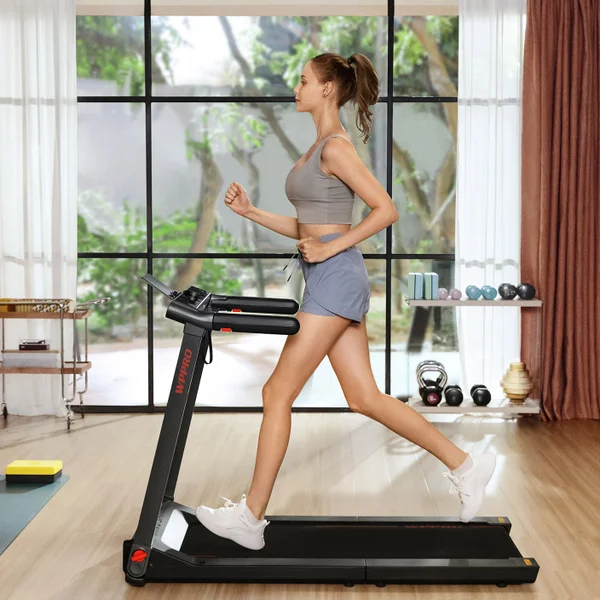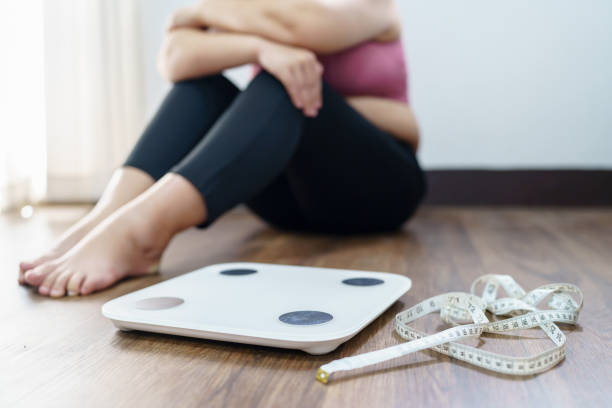
In today’s health-conscious world, the weight scale has become more than just a household gadget. It’s a personal accountability partner, a daily motivator, and sometimes even a wake-up call. Whether someone is focused on losing weight, gaining muscle, or maintaining balance, the scale often plays a key role in tracking progress.
Over the years, this simple device has evolved dramatically. What started as a mechanical contraption with a dial has now transformed into a smart tool powered by sensors, Bluetooth connectivity, and artificial intelligence. Understanding how weight scales work, what features to look for, and how to interpret the numbers can make a big difference in your wellness journey.
The Evolution of the Weight Scale
The earliest versions of weight scales date back centuries. Merchants used balancing scales in ancient markets to measure goods and trade fairly. Those traditional scales relied on physical balance and precision weights. Over time, the technology improved and transitioned into spring-based mechanical scales, which became common in homes during the 20th century.
With the rise of fitness culture, personal health monitoring became more important. That led to the development of digital weight scales, offering quick and accurate readings without the need for calibration or guesswork. These devices used strain gauge sensors to measure weight more precisely than ever before.
Today, smart weight scales go beyond body weight. They can estimate body fat percentage, muscle mass, bone density, body water levels, and even metabolic age — all synced with your smartphone for real-time tracking. What was once a simple measuring device is now an integrated health tool.
How a Weight Scale Works
While designs vary, most modern digital weight scales use load cells — sensors that measure the force applied when you step on the platform. This force is converted into an electrical signal, which the device then translates into a readable weight.
Smart scales add another layer of technology through Bioelectrical Impedance Analysis (BIA). When you step barefoot on the metal sensors, a harmless electrical current passes through your body. The device measures how easily the current travels, estimating the ratio of fat, muscle, and water. Since fat resists electricity more than muscle or water, these readings provide an approximate breakdown of body composition.
It’s important to note that while BIA-based measurements aren’t as exact as medical-grade equipment, they give consistent results when used correctly — ideal for tracking trends over time rather than single numbers.
Types of Weight Scales
Digital Weight Scales
Digital scales are the most common type found in households today. They offer fast readings, clear displays, and often come with features like auto-calibration and step-on activation. These are ideal for people who just want quick, accurate weight checks without extra data.
Smart Weight Scales
Smart scales connect via Wi-Fi or Bluetooth to mobile apps such as Fitbit, Google Fit, Apple Health, or Samsung Health. They can store multiple user profiles and sync data automatically, making them perfect for families or fitness enthusiasts. Many models also provide detailed analysis on fat mass, muscle percentage, BMI, and even visceral fat.
Mechanical or Analog Scales
Though less common now, some people still prefer mechanical scales for their durability and simplicity. They don’t require batteries and are often used in clinics or gyms for basic weight measurement. However, they may lack precision compared to digital versions.
Body Composition Analyzers
High-end models and professional fitness equipment often fall into this category. These scales provide a detailed body analysis, including segmental readings — such as how much muscle or fat each arm or leg carries. These are commonly used in sports science and physical therapy.
Benefits of Using a Weight Scale Regularly
Monitoring your weight consistently helps you stay aware of your physical health. While the number on the scale doesn’t define overall wellness, it serves as an important data point in understanding your body’s trends.
Awareness and Accountability: Regular weigh-ins can help identify small changes before they become bigger issues. For people trying to manage obesity, weight loss, or even muscle gain, tracking progress keeps them motivated.
Goal Tracking: Smart scales make it easy to track your progress toward specific fitness goals. By seeing consistent trends — like gradual fat loss or increased muscle mass — you can adjust workouts and diet more effectively.
Health Insights: Some smart scales can integrate with wearable devices to give a more complete picture of your health. They may calculate BMI, hydration levels, and even link to calorie trackers for total wellness management.
Choosing the Right Weight Scale
When selecting a weight scale, it’s not just about price or design. You should consider your health goals, usage frequency, and the level of data you want.
Key Factors to Consider
- Accuracy: Look for models that use four or more sensors for precise measurements.
- Capacity: Most scales handle up to 180–200 kg (around 400 lbs). Ensure the limit suits your household.
- Smart Features: Bluetooth or Wi-Fi connectivity helps in syncing data with your smartphone for long-term analysis.
- User Profiles: If multiple people will use the same scale, choose one that stores separate profiles.
- Durability: A tempered glass platform and solid base improve lifespan and stability.
- Display and Interface: A clear LED or LCD screen is essential for easy readability.
Common Mistakes When Using a Weight Scale
Despite their convenience, scales can give misleading data if not used correctly. Here are a few points to keep in mind:
- Weigh yourself at the same time daily, ideally in the morning before eating or drinking.
- Place the scale on a flat, hard surface — carpets and uneven floors can skew results.
- Avoid comparing daily fluctuations. Body weight naturally changes due to water retention, hormones, and digestion. Focus on weekly or monthly trends instead.
- Step on the scale barefoot and still, especially when using smart scales that require skin contact with sensors.
By maintaining consistent conditions, you’ll get far more reliable data.
Integrating the Weight Scale into a Healthy Lifestyle
A scale alone won’t make you healthier, but using it alongside balanced habits can make a real difference. Pairing weight tracking with mindful eating, regular exercise, and proper sleep leads to sustainable progress.
For instance, if your scale shows a sudden increase, it may not be fat gain. It could simply be water retention from a salty meal or a tough workout. Similarly, a sudden drop might be dehydration. Learning to interpret these variations prevents frustration and helps maintain motivation.
Smart scales with app integration allow you to see body trends visually — making it easier to understand your fitness journey beyond the daily number.
The Future of Weight Scales
Technology is rapidly transforming the fitness industry, and weight scales are part of that evolution. Upcoming models are expected to include AI-driven insights, voice feedback, and integration with home health ecosystems.
Future smart scales may connect directly to nutrition apps, fitness trackers, or even telehealth services, providing doctors and trainers with real-time updates about your health metrics. Some are already equipped with heart rate sensors and posture analysis.
The goal is not just to measure your weight but to help you understand your body in a deeper, more holistic way.
Final Thoughts
The weight scale has come a long way from being a simple measuring tool. It’s now an intelligent health companion capable of guiding users toward better fitness awareness. Whether you’re just starting your wellness journey or already living an active lifestyle, tracking your weight regularly helps you stay mindful and motivated.
Still, remember that numbers don’t define your worth. The best way to use a weight scale is as part of a balanced routine — where nutrition, exercise, and mental well-being all work together. When viewed this way, the scale becomes not a judge, but a guide — helping you move steadily toward a healthier version of yourself.