During the holiday season, it’s almost impossible to walk into a home without spotting a beautifully painted nut cracker on a mantelpiece, bookshelf, or coffee table. These colorful wooden figurines have become a staple of Christmas decorations, but many people don’t realize that crackers have a long and fascinating history, dating back centuries. Whether you’re a collector, a holiday decorator, or simply curious about these iconic pieces, this guide will walk you through everything you need to know about nut crackers.
A Brief History of Nut Crackers
Nut crackers have been around for hundreds of years, originally serving a simple but practical purpose: cracking nuts. Before modern tools were invent, nuts were open using a hammer and anvil, often made of stone. Some nuts, like walnuts, could even be crack by hand, applying pressure with your thumb or another nut.
Modern nut crackers resemble pliers or levers, making it easier to open even the hardest nuts. The concept of the hinged lever cracker dates back to Ancient Greece, and by the 14th century, nut crackers were commonly documented in Europe. These early versions were made from metals such as bronze or cast-iron, and wood, including high-quality boxwood from France and Italy.
During the Victorian era, crackers became more ornate, often silver-plated, and were displayed at dinner tables as conversation pieces. They were particularly popular in Europe, where nuts were considered a staple dessert. By the late 19th century, nut cracker designs became more decorative and industrially produced, especially in the Alpine regions of Germany.
German Origins: From Tool to Tradition
The decorative nut cracker dolls we recognize today originate from the Erzgebirge (Ore Mountains) region of Germany in the late 1600s. Originally, miners carved these figures to supplement their income as mineral resources dwindled. Initially, these wooden dolls weren’t tied to Christmas—they were simply gifts.
Interestingly, in German tradition, crackers were considered symbols of good luck and were believed to scare away evil spirits. Some nut crackers were made to resemble kings, policemen, or other figures of authority. This gave the common folk a playful way to “control” those in power by cracking nuts with them—a subtle form of rebellion.
The Nutcracker Ballet Connection
One of the most famous associations with nut crackers is Tchaikovsky’s ballet, The Nutcracker. The story was based on a German fairy tale by E.T.A. Hoffmann, which was adapted by French author Alexandre Dumas. Hoffmann’s original story was dark, resembling Grimm’s fairy tales, but Dumas’ version lightened it, introducing the character Clara (originally Marie) and her magical nutcracker.
The ballet premiered in St. Petersburg, Russia, in 1892. Interestingly, early reviews were harsh; critics described the choreography as “confusing” and “tedious.” Yet over time, Tchaikovsky’s score and the enchanting story captured the hearts of audiences, becoming an enduring Christmas tradition. Today, attending The Nutcracker ballet is a cherished family event, introducing children to classical music and ballet for the first time.
Journey to America
Nut crackers made their way to the United States during and after World War II. American soldiers stationed in Germany brought back these unique wooden dolls as gifts for their families. The timing was perfect, as George Balanchine reimagined Tchaikovsky’s ballet for the American stage in 1954. The ballet’s popularity and the whimsical dolls cemented crackers as a key element of American Christmas traditions.
By the 1940s and 50s, families across the U.S. were decorating their homes with these charming figurines. Today, they come in an incredible variety of styles—from traditional German soldiers to pop culture icons.
Types of Nut Crackers
Nut crackers have evolved into several types over the years. Understanding these can help you choose the right one for your home or collection.
1. Traditional Lever Nutcrackers
These are the classic designs with a lever at the back, where a nut is placed in the mouth of the figure. Pressing down on the lever cracks the nut. They often resemble soldiers, kings, or other figures.
Fun Fact: The lever design may have originated from blacksmiths’ pincers and was common in Europe by the 14th century.
2. Screw Nutcrackers
Screw nut crackers provide more controlled pressure on hard nuts, such as macadamias. The gradual application of force prevents crushing the nut inside, making it a favorite among serious bakers and nut lovers.
3. Spring-Jointed Nutcrackers
Patented by Henry Quackenbush in 1913, these crackers use a spring mechanism to crack the shell with ease.
4. Ratchet Nutcrackers
The ratchet design, patented in 1947, is similar to a car jack. It allows for precise pressure to be applied, avoiding damage to the nut inside.
5. Decorative Nutcrackers
These are primarily for display and often non-functional. Made from wood, porcelain, silver, or brass, decorative nut crackers are designed for aesthetic appeal rather than utility. The iconic soldier-style nut cracker dolls are the most popular during the Christmas season.
Collecting Nut Crackers
Many people collect nut crackers as decorative items. Collectible nut crackers are valued for their craftsmanship, rarity, and brand. Here are some key considerations for collectors:
Step 1: Choose a Theme
Decide on a theme for your collection. This could be based on:
- Age of the nut cracker
- Country of origin
- Style or attire
- Manufacturer (Steinbach is considered the gold standard)
Step 2: Understand Craftsmanship
High-quality nut crackers can take years to produce. For example, Steinbach crackers involve over 130 processes, from cutting and carving to painting and decorating. Limited edition pieces are especially prized.
Step 3: Determine Purpose
Are you collecting for decoration or utility? While traditional wooden nut crackers can crack nuts, frequent use may damage delicate designs. Functional metal nut crackers are better for heavy-duty nut-cracking.
Step 4: Consider Investment Potential
Over time, collectible crackers may increase in value, particularly if they are rare, handcrafted, and well-maintained. Older Steinbach pieces, for instance, are highly sought after by collectors worldwide.
Using Nut Crackers at Home
While decorative nut crackers look beautiful, functional use requires some consideration:
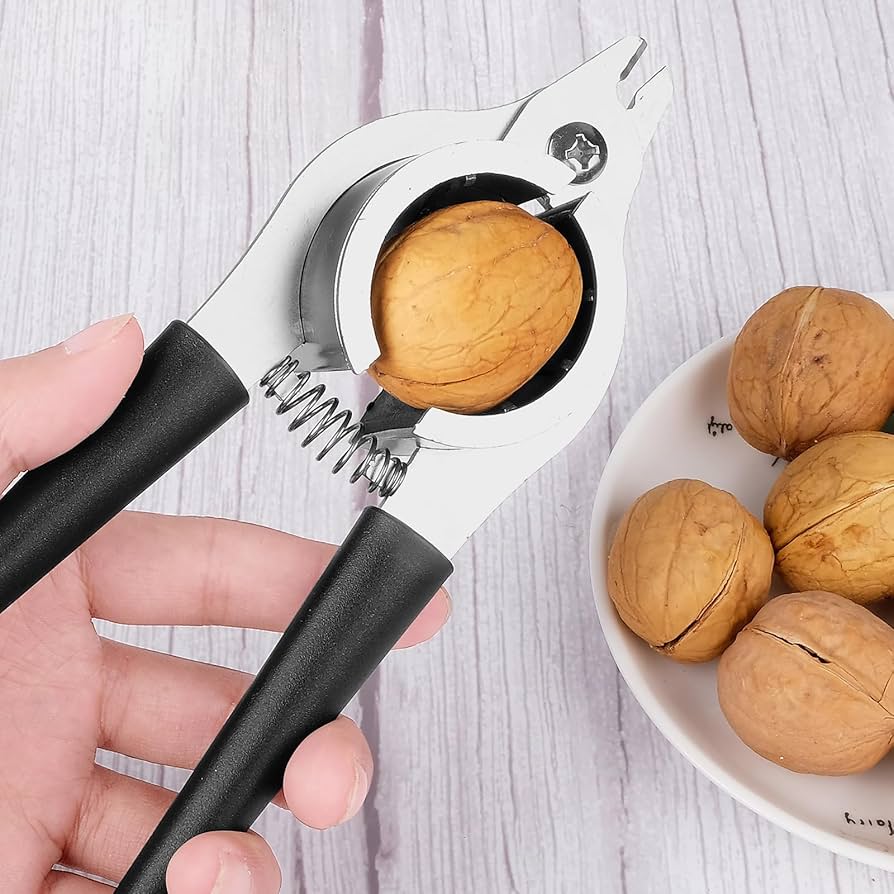
- Choose the Right Tool: Wooden dolls are decorative; for cracking walnuts, almonds, or macadamias, use a stainless steel or heavy-duty metal nut cracker.
- Position the Nut: Place the nut between the jaws or in the mouth of the tool.
- Apply Pressure Slowly: Gradual force ensures the shell cracks without crushing the nut.
- Enjoy Your Nut: Once cracked, remove the shell carefully and enjoy the nut inside.
By following these simple steps, you can safely enjoy fresh nuts without damaging your prized decorative nut crackers.
Fun Facts and Anecdotes
- Good Luck Charm: In German folklore, nut crackers symbolize protection and happiness for the household.
- Rebellion in Miniature: Miners crafted nut crackers resembling authority figures as a playful way to invert the social order.
- Long Production Time: Some collectible nut crackers can take up to four years to complete!
- Global Influence: After WWII, American soldiers popularized nut crackers in the United States, forever linking them to Christmas traditions.
Modern Nutcrackers and Pop Culture
Today, nut crackers aren’t just for Christmas. Modern versions can depict:
- Famous musicians or actors
- Cartoon characters
- Superheroes
- Custom designs for collectors
This evolution shows how crackers have moved from practical tools to whimsical decorative pieces while maintaining their historic charm.
Conclusion
From a simple tool for cracking nuts to an internationally beloved symbol of Christmas, crackers have a rich and colorful history. Whether you’re buying your first decorative doll or a functional stainless-steel tool, understanding their origins, types, and uses will help you make the best choice.
So this holiday season, whether you display a soldier on your mantelpiece, attend The Nutcracker ballet, or enjoy a freshly cracked walnut, remember that nut crackers are more than just toys—they’re pieces of history, art, and culture all rolled into one delightful figurine.