In the world of The Hunger Games, where political control, spectacle, and survival collide, few characters shaped the narrative as meaningfully as Seneca Crane. Though not the main protagonist, his decisions and style left an unforgettable mark on fans, cinema history, and cultural conversations. His appearance raised a striking question: How much power does one man hold in a system designed to oppress?
Seneca Crane, the meticulously groomed Head Gamemaker responsible for orchestrating the 74th Hunger Games, became a symbol of authority, creativity, and eventual downfall. His story highlights the fragility of power in authoritarian systems and remains a fascinating subject for film enthusiasts, writers, sociologists, and pop culture analysts.
Who Is Seneca Crane?
Seneca Crane is fictional — a character from The Hunger Games universe, introduced to audiences primarily in the first film adaptation. He serves as the Head Gamemaker, the man in charge of designing and overseeing the deadly arena where tributes fight for survival under the Capitol’s watch.
His role is not just technical — it is psychological warfare. Crane curates tensions, creates traps, manipulates environments, and ensures the Games remain brutal enough to entertain the Capitol while maintaining political control over the districts.
Although his role in the books is short, the film adaptation expands his presence significantly, making him memorable through:
- His polished, futuristic fashion
- His sharp and elegant demeanor
- His authoritative calmness
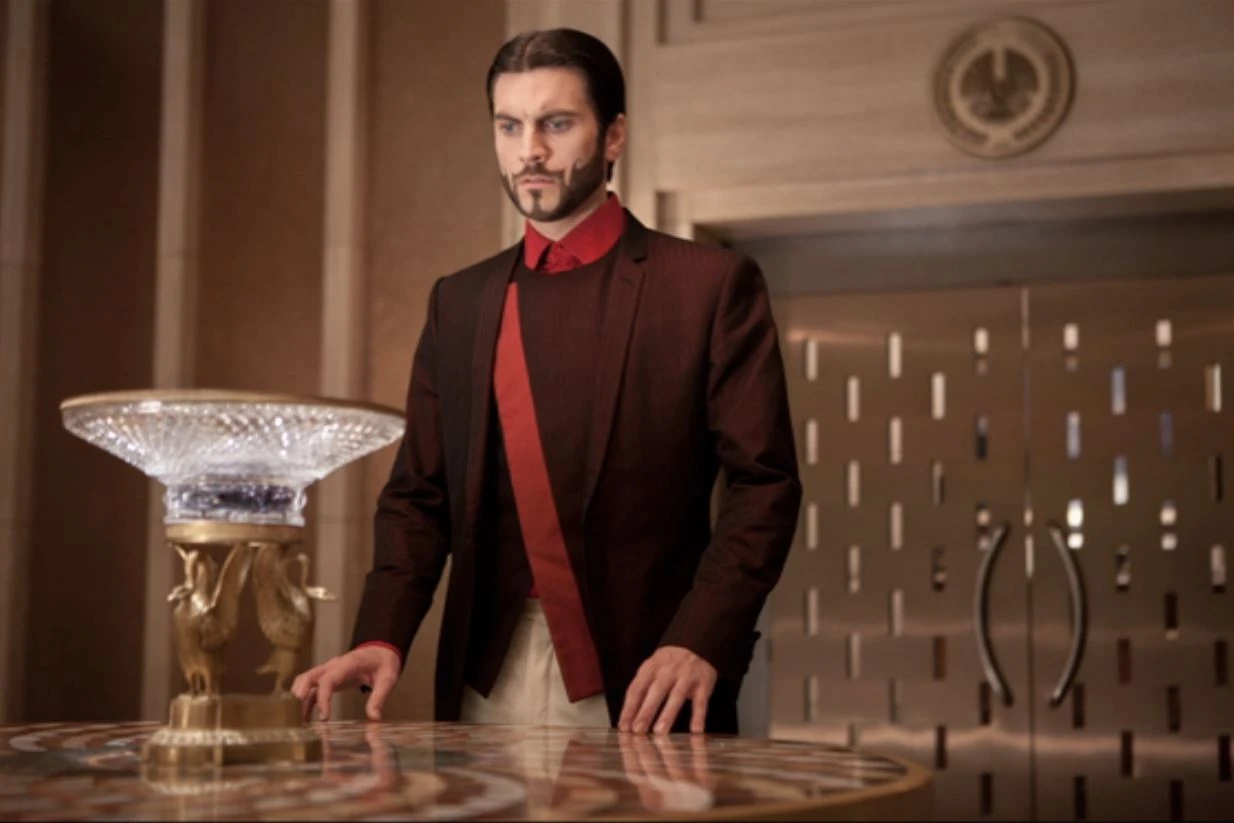
- His iconic beard design (which became a cultural meme)
Seneca Crane is not evil by personality; he is a cog in a machine — a character who believes he is performing his duty, unaware of how deeply the system will punish even the slightest deviation.
The Role of a Gamemaker – Power With Conditions
Being Head Gamemaker comes with immense influence. He controls life and death with the flick of a switch, directing natural disasters, muttations, fireballs, and arena shifts. But this power is conditional — it is granted by the government and can be revoked without warning.
Crane’s job demands:
- Creativity
- Cruelty masked as entertainment
- Political obedience
- An understanding of the Capitol mindset
This position elevates a person into privilege, yet simultaneously places them under strict surveillance. Their work must reflect loyalty to the ruling regime. One wrong decision, one moment of sympathy, one unexpected outcome — and the consequences can be fatal.
Seneca Crane and Katniss Everdeen – The Catalyst of Rebellion
While we avoid retelling detailed plot points, one undeniable truth stands out:
Seneca Crane underestimated Katniss Everdeen.
Her defiance during the Games challenged the Capitol’s long-standing control. By allowing an outcome that symbolized rebellion rather than submission, Crane unknowingly ignited a spark that would later lead to revolution.
This moment defines his downfall — not as a villain, but as a tragic figure caught between creativity and political rigidity.
His arc becomes a symbolic reminder:
In oppressive systems, even those in power are not truly free.
Authority is borrowed, never owned.
Personality & Traits – Confidence Wrapped in Restraint
Seneca Crane is often portrayed as:
- Calm and composed
- Highly intelligent
- Stylish and charismatic
- Confident to the point of subtle arrogance
- Professional yet curious about change
He is not a brute or a sadist. Instead, he represents the polished face of institutional violence — someone who does his job well without fully confronting its moral cost.
His downfall reveals that he isn’t inherently heartless; he simply fails to grasp the consequences of innovation inside a rigid political hierarchy.
Symbolism Behind Seneca Crane
Seneca Crane’s character is rich with symbolism, much of which resonates beyond fiction.
1. The Facade of Luxury
He represents how the Capitol masks cruelty with glamour. The Games appear thrilling and beautiful, but beneath lies suffering and fear.
2. The Limits of Power
Crane shows that even high-ranking officials must obey. Power without autonomy is just another form of captivity.
3. The Cost of Creativity
As a Gamemaker, Crane pushes boundaries. But creativity in a dictatorship becomes dangerous when it inspires hope, not control.
4. The Spark of Rebellion
His choices unknowingly enable resistance, making him the unintentional midwife of revolution.
Crane is both a symbol of privilege and a cautionary tale.
Why Seneca Crane Became a Fan Favorite
Despite limited screen time, Seneca Crane gained immense popularity. Fans admired:
- His striking appearance
- The seriousness of his role
- His stylish costuming and beard design
- His calm authority
- His narrative importance
He is one of those characters that leave a lasting impression long after the story moves forward.
Even small details — like his dramatic fashion and unique persona — contributed to memes, fan art, cosplay designs, and cultural references for years.
Seneca Crane’s Beard – A Cultural Phenomenon
We cannot discuss Seneca Crane without acknowledging the beard.
Black, sharp, angular, intentionally styled — the design became instantly iconic. It sparked trends, jokes, and viral content online. For many, his beard became a visual shorthand for Capitol decadence and vanity.
Cosplayers replicate it. Halloween costumes feature it. Fans discuss it with surprising enthusiasm.
In pop culture, sometimes a single visual element creates legacy, and Crane’s beard did exactly that.
Seneca Crane’s Rise and Downfall – A Study in Authority
Crane’s story arc is powerful when viewed through a psychological or political lens.
Rise
He reaches one of the highest positions in the Capitol — admired, respected, well-dressed, creative, and trusted.
Peak
He innovates, modernizes, and delivers a more suspenseful Games season — boosting Capitol entertainment.
Fall
He miscalculates the emotional momentum of the tributes and faces consequences. Not because he failed creatively, but because he failed politically.
This progression mirrors real-world patterns in authoritarian systems:
Position does not equal security.
Power exists only while obedience remains absolute.
Crane’s end is not gruesome in description, but chilling in implication. It quietly demonstrates the brutality of the government he served.
Seneca Crane in Adaptation – Book vs Film
While the character appears in literature, the film adaptation expands him significantly, giving him more screen presence and character depth. This shift allowed audiences to connect with him, understand his perspective, and witness his fall more dramatically.
In the film universe, he becomes a face — not just a name — which is why viewers remember him so vividly.
Why Writers Love Seneca Crane
Authors, analysts, and essayists enjoy Crane because of what he represents. His character opens discussions about:
- Morality under dictatorship
- Entertainment vs ethics
- The psychology of power
- Responsibility vs obedience
- Symbolism of control in modern society
He is a reminder that villains are often shaped by environment rather than born from malice. Crane is not evil — he is complicit. And that complexity makes him interesting.
Lessons from Seneca Crane’s Character
What can we learn from him?
1. Power Without Freedom Is Fragile
High status means nothing if your decisions cannot challenge authority.
2. Creativity Can Inspire Change
His willingness to innovate contributed to the brewing rebellion.
3. Small Acts Become Historic
Even subtle decisions can reshape entire nations.
4. Systems Consume Their Own
Authoritarian structures may punish creativity when it threatens control.
Crane’s story is a cautionary tale — elegant, sharp, unforgettable.
Why Seneca Crane Continues to Matter in Pop Culture
Years after the story released, people still talk about Seneca Crane. Why?
Because he embodies themes society struggles with:
- The ethics of entertainment
- Violence packaged as media spectacle
- Governing through fear
- Freedom disguised as choice
- Responsibility of those in power
He sparks debate, fan theories, essays, and think-pieces — making him invaluable for content creators, reviewers, and pop culture analysts.
Conclusion – The Legacy of Seneca Crane
Seneca Crane is more than a supporting character. He is a symbol, a narrative catalyst, and one of the most visually memorable figures in The Hunger Games universe. His elegance contrasts the horrors he oversees. His creativity clashes with the authoritarianism he serves.
Audiences remember him not because he shouted, fought, or dominated scenes — but because of his presence. He represents the allure and danger of power, the fragility of privilege, and the quiet tragedy of those who follow orders without understanding the consequences.