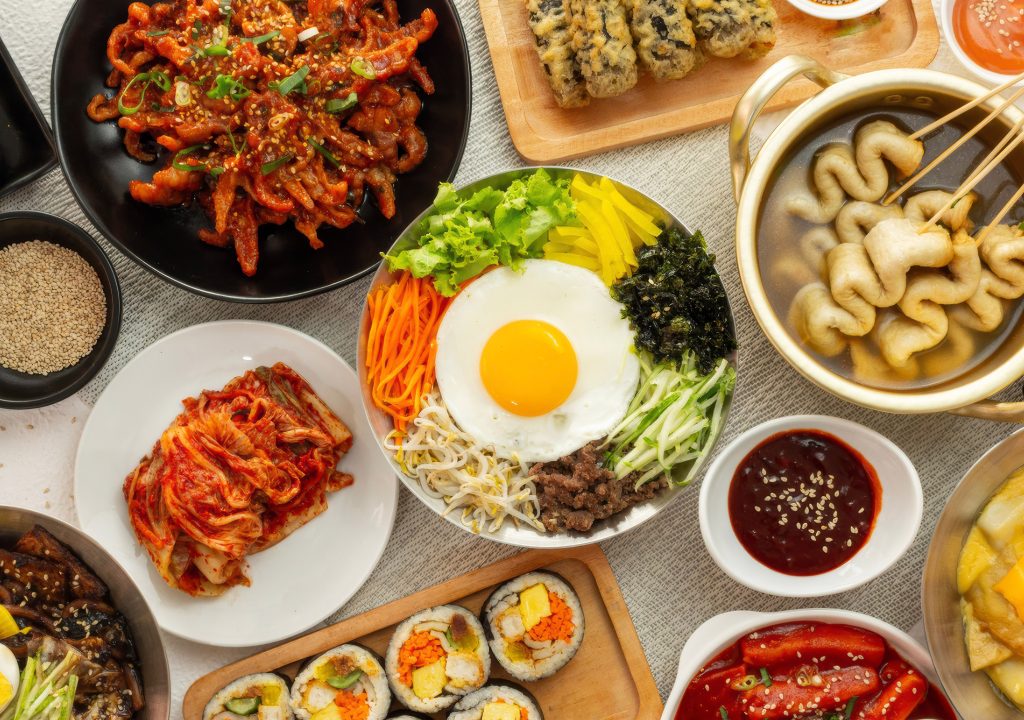
Korean food is more than just a meal—it’s an experience that tells the story of Korea’s culture, history, and way of life. From sizzling barbecue to comforting stews and vibrant side dishes, Korean cuisine is loved all over the world for its balance of flavors, colorful presentation, and nutritional value. It’s a cuisine built on harmony—between sweet, spicy, salty, and savory tastes—and it continues to grow in global popularity thanks to the Korean Wave (Hallyu) and the rising fascination with K-pop and K-dramas.
The Heart of Korean Cuisine
At its core, Korean food is about balance and connection. Meals are rarely eat alone. They are share among friends and family, bringing people together around a table filled with small dishes called banchan. This sense of community is what makes Korean dining unique.
The cuisine also reflects the country’s deep respect for seasonal ingredients. Korean chefs and home cooks use what nature provides—fresh vegetables, fermented sauces, and rice—to prepare dishes that are both flavorful and healthy.
The Foundation: Rice, Kimchi, and Banchan
Every Korean meal revolves around three essential elements: rice (bap), kimchi, and banchan.
- Rice is the staple food, representing sustenance and comfort.
- Kimchi is the soul of Korean cuisine—fermented vegetables, typically cabbage or radish, season with chili, garlic, and salt. It’s rich in probiotics and packed with flavor.
- Banchan are the small side dishes that accompany every meal, ranging from pickled vegetables to savory pancakes and seasoned tofu.
This trio gives Korean food its character—simple, nourishing, and endlessly varied.
Popular Korean Dishes Around the World
1. Korean Barbecue (Samgyeopsal and Bulgogi)
Korean BBQ is perhaps the most iconic Korean dining experience. Diners grill slices of pork belly (samgyeopsal) or marinated beef (bulgogi) at the table and wrap the meat in lettuce leaves with garlic, chili paste, and rice. It’s interactive, social, and irresistibly tasty.
2. Bibimbap
Bibimbap, meaning “mix rice,” is a colorful bowl of warm rice top with assorted vegetables, fried egg, and gochujang (Korean chili paste). It’s a perfect example of balance—both in flavor and nutrition.
3. Tteokbokki
Spicy, chewy rice cakes known as tteokbokki are a popular Korean street food. Served in a thick gochujang sauce, they deliver a perfect mix of heat and sweetness.
4. Kimchi Jjigae
This hearty kimchi stew is made with age kimchi, tofu, pork, and a rich broth. It’s a comfort food staple in Korean households, especially during the colder months.
5. Japchae
Japchae is a stir-fry glass noodle dish made with vegetables and soy sauce. It’s both light and flavorful, often served on special occasions.
The Art of Fermentation
Fermentation is one of the cornerstones of Korean food. Beyond kimchi, fermented sauces like gochujang (red chili paste), doenjang (soybean paste), and ganjang (soy sauce) form the backbone of Korean flavor.
These condiments have been pass down for generations and are traditionally age in clay pots called onggi. This slow process gives Korean dishes their deep, umami-rich taste that sets them apart from other cuisines.
Health Benefits of Korean Food
Korean food is often consider one of the healthiest in the world. It relies heavily on vegetables, lean proteins, and fermented ingredients. The combination of probiotics, fiber, and antioxidants supports digestion, strengthens the immune system, and promotes longevity.
Even dishes that seem indulgent, like Korean BBQ or fried chicken, are often balance with lighter side dishes and green vegetables. It’s this harmony of flavor and nutrition that makes Korean cuisine both satisfying and wholesome.
The Rise of Korean Food Globally
Over the past decade, Korean food has exploded in popularity worldwide. The global Hallyu (Korean Wave)—driven by K-pop, K-dramas, and Korean culture—has introduced millions of people to the joys of kimchi, bibimbap, and bulgogi.
Restaurants specializing in Korean cuisine have opened in major cities across the world. Social media has also played a big role, with food bloggers and influencers showcasing Korean recipes and cooking styles. Today, Korean food is seen not only as exotic but also as approachable and trend-setting.
Traditional Korean Dining Etiquette
Eating Korean food is about more than taste—it’s about respect and harmony. There’s a specific etiquette that reflects the country’s values.
- Elders start eating first.
- Chopsticks and spoons are never left upright in bowls.
- Sharing food is encourage to build connection.
These customs reflect the importance of humility and togetherness in Korean culture.
Regional Varieties of Korean Cuisine
Korea’s geography plays a big role in its culinary diversity. Each region offers unique dishes and flavors:
- Jeonju is famous for its bibimbap.
- Busan offers fresh seafood dishes and spicy stews.
- Jeju Island specializes in black pork and seafood-based soups.
This regional variety adds depth to the overall richness of Korean food, giving every traveler something new to discover.
Modern Korean Fusion Cuisine
As Korea’s influence spreads globally, chefs are experimenting with fusion dishes that combine traditional Korean flavors with international techniques. Dishes like Korean tacos, kimchi pizza, and gochujang burgers have become wildly popular.
This modern twist keeps Korean food evolving while honoring its deep cultural roots. It shows that the cuisine is versatile, adaptable, and continually creative.
The Cultural Importance of Sharing Food
Sharing is central to Korean dining. Meals are serve “family-style,” where everyone eats from shared plates rather than individual servings. This approach encourages conversation, connection, and appreciation for each other’s company.
It’s not unusual for friends and family to gather around a table filled with steaming soups, grilled meats, and small plates, laughing and bonding over food. For Koreans, a meal is not just about eating—it’s about building relationships.
Conclusion: The Global Appeal of Korean Food
Korean food captures everything that makes a meal meaningful—taste, balance, health, and connection. Whether you’re biting into spicy tteokbokki on the streets of Seoul or grilling bulgogi at a Korean BBQ restaurant abroad, you’re experiencing a piece of Korea’s cultural heritage.
Its mix of ancient traditions and modern creativity continues to inspire food lovers around the world. Korean cuisine has become more than a trend—it’s a global culinary movement build on community, flavor, and harmony.