Your garage door is one of the most used entryways to your home, yet it’s also one of the most overlooked. When it stops working correctly, it can cause major inconvenience and even compromise your security. The good news is that with the right maintenance and a trusted garage door repair service, you can keep your system running safely and efficiently for years
Why Garage Door Repair Is So Important
A garage door is more than a convenience—it’s a crucial component of home safety and curb appeal. When it operates smoothly, it protects your car, secures your belongings, and adds value to your property.
Neglecting small problems, however, can quickly lead to expensive breakdowns. A squeaking hinge or a misaligned track may not seem serious, but these small signs often indicate underlying issues that can worsen over time.
Safety First
A malfunctioning garage door can pose real safety hazards. Broken springs or cables can cause sudden door drops, and faulty sensors might fail to stop the door if something is underneath. Routine maintenance reduces the risk of accidents and protects your family.
Cost Efficiency
Fixing minor issues early saves money in the long run. Preventive garage door repair often costs less than replacing the entire system.
Home Security
Your garage door also acts as a first line of defense. A door that won’t close fully or locks improperly can become an easy entry point for intruders
Common Garage Door Problems and What They Mean
Understanding what’s wrong with your garage door helps you respond quickly and avoid further damage. Here are the most common issues homeowners face.
1. The Door Won’t Open or Close Properly
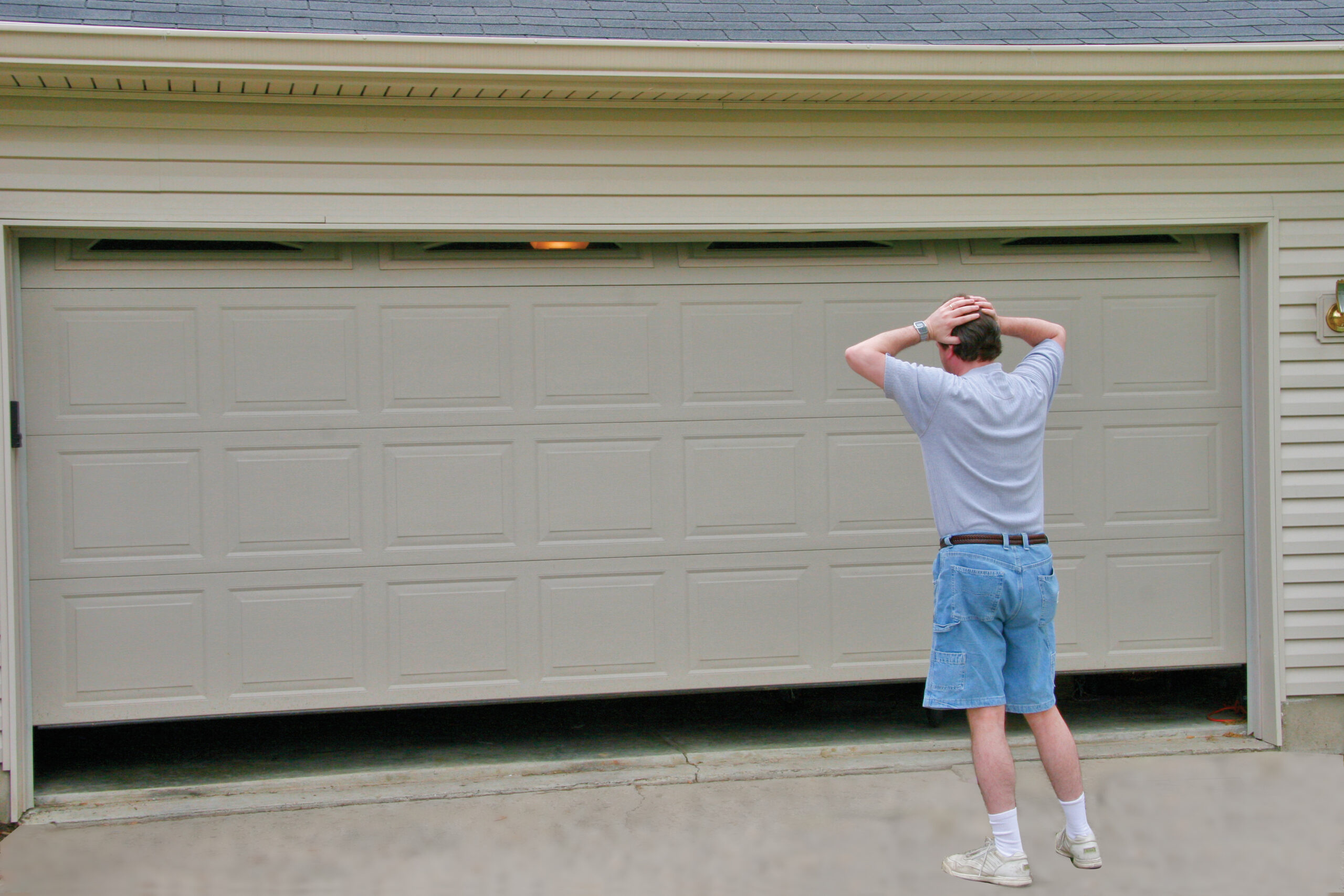
This is one of the most frequent complaints. It could be due to dead remote batteries, misaligned sensors, or worn-out opener gears. In some cases, an obstruction on the track can also stop the door’s movement.
2. Noisy Operation
Grinding, squeaking, or rattling noises usually mean that moving parts need lubrication or adjustment. If you hear a loud bang, it may indicate a broken spring, which requires immediate professional attention.
3. The Door Moves Unevenly
If your garage door rises or falls unevenly, it could be due to tension problems in the springs or cables. Continuing to operate the door this way can cause further structural stress.
4. Remote or Wall Switch Not Working
When neither your wall switch nor remote works, the issue may stem from a power source, faulty wiring, or a damaged opener motor.
5. Sagging or Unbalanced Door
A sagging door doesn’t just look bad—it puts uneven pressure on the opener and can damage the entire system. You can test the balance by disconnecting the opener and manually lifting the door halfway; if it falls or rises, the balance is off
DIY Maintenance vs. Professional Garage Door Repair
Many homeowners are tempted to handle garage door problems on their own. While some light maintenance tasks are safe to do, major repairs should always be handled by certified technicians.
What You Can Do Yourself
You can safely handle some simple maintenance steps at home:
- Clean and lubricate rollers, hinges, and tracks.
- Tighten loose bolts and screws.
- Test the door balance occasionally.
- Replace remote batteries.
What to Leave to the Experts
Never attempt to replace springs, cables, or opener motors without professional help. These parts are under high tension and can cause serious injuries if mishandled. A professional garage door repair technician has the tools and training to do the job safely
Signs You Need Immediate Professional Help
Sometimes, waiting too long can make a small issue turn into a costly replacement. Call a garage door repair expert right away if you notice:
- The door doesn’t open or close completely.
- Springs or cables appear loose or broken.
- The opener motor makes noise but the door doesn’t move.
- The door feels extremely heavy when operating manually.
- The safety sensors are blinking or misaligned.
If any of these symptoms occur, it’s better to pause usage until a technician inspects the system
How Professional Garage Door Repair Works
When you schedule a service call, most technicians follow a step-by-step process to identify and fix the issue quickly.
1. Inspection and Diagnosis
The technician examines the springs, rollers, tracks, and motor to pinpoint the exact cause of the problem.
2. Cost Estimate and Options
You’ll get a clear explanation of the issue, potential repair methods, and an upfront cost estimate before any work begins.
3. Repair and Testing
Once approved, the technician repairs or replaces faulty parts. Afterward, they perform a full test to ensure smooth, quiet, and balanced operation.
4. Preventive Maintenance Advice
Finally, you’ll receive expert tips on keeping your door in good condition and avoiding future problems
Choosing the Right Garage Door Repair Company
Not all repair services are equal. Choosing the right one can save time, money, and frustration.
Check Experience and Credentials
Go with a company that has certified technicians, positive reviews, and years of experience in the field.
Ask About Warranty and Insurance
Reliable providers offer warranties on both labor and parts. This gives you peace of mind in case an issue reoccurs.
Look for Transparent Pricing
Avoid services that give vague estimates. A trustworthy repair company should provide a clear quote before work begins.
Local Advantage
Hiring a local garage door repair team ensures faster response times and familiarity with regional weather challenges that may affect your door
Preventive Maintenance Tips for a Long-Lasting Garage Door
You don’t need to wait for a breakdown to take action. Consistent care goes a long way.
- Lubricate all moving parts every three to six months.
- Keep the tracks clean and free from debris.
- Inspect weather seals regularly and replace if cracked.
- Test the safety sensors monthly.
- Listen for unusual sounds—early detection is key.
Taking fifteen minutes a month for simple checks can prevent expensive repairs later
The Cost of Garage Door Repair
The cost depends on the extent of damage and the type of repair needed. On average:
- Replacing springs may range from $150–$350.
- Fixing openers typically costs $100–$300.
- Complete door panel replacements can exceed $500, depending on materials.
Remember, investing in timely garage door repair usually costs far less than installing a new system
When Replacement Becomes the Better Option
While repairs often solve most problems, some situations call for a full replacement.
You may want to replace your garage door if:
- The panels are severely damaged or corroded.
- The door is over 20 years old and lacks insulation.
- The motor and springs have both failed multiple times.
A modern garage door not only improves performance but also enhances your home’s appearance and energy efficiency
Why Regular Garage Door Repair Adds Long-Term Value
Beyond convenience, consistent maintenance extends the lifespan of your entire system. A well-maintained garage door improves home resale value, reduces utility bills (if insulated), and offers peace of mind knowing your property is secure
Conclusion
Garage door repair isn’t just about fixing problems—it’s about protecting your investment. With proper maintenance, awareness of warning signs, and timely professional help, you can avoid costly breakdowns and enjoy years of smooth operation.
Whether your door is stuck halfway, making strange noises, or simply due for maintenance, don’t delay. Find a trusted garage door repair expert in your area, schedule an inspection, and give your home the security and reliability it deserves.