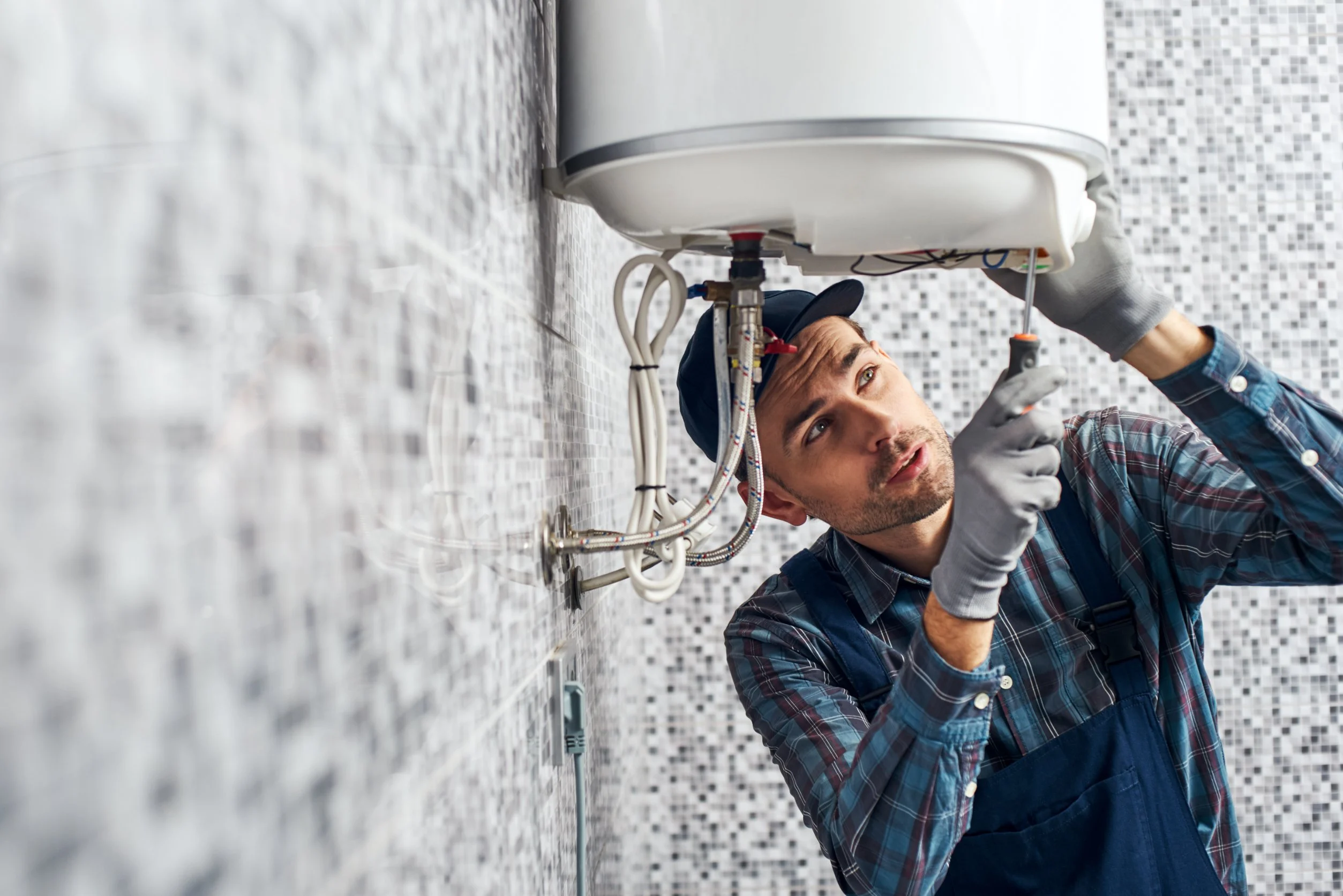
When a water heater suddenly stops working, it can turn an ordinary day into a major inconvenience. Whether you wake up to an icy cold shower or notice water pooling around the heater, one thing becomes clear—you need emergency water heater repair, and you need it quick. While regular maintenance reduces the chance of breakdowns, unexpected issues can still arise, and knowing what to do next can save time, money, and stress.
This article breaks down everything you need to know about emergency water heater repair, including common causes of failure, quick DIY troubleshooting, when to call a professional, safety precautions, and tips to prevent future emergencies. By the end, you’ll have a solid understanding of how to handle water heater crises like a pro.
Why Emergency Water Heater Repair Matters
Hot water is more than just a comfort—it’s essential for daily living. We rely on it to clean dishes, wash clothes, bathe, and maintain hygiene. When the system fails without warning, life is immediately disrupted. In colder seasons, the situation becomes even more urgent.
A malfunctioning water heater can cause:
- Cold showers and no hot water
- Leaking tanks that may cause flooding
- Electrical or gas safety hazards
- High utility bills due to inefficiency
- Reduced water pressure or discolored water
Delaying repairs can lead to greater damage, so understanding how to react quickly is crucial.
Signs You Need Emergency Water Heater Repair
Water heaters often give warning signs before completely failing. Catching problems early prevents expensive replacements and keeps the system working longer.
Look out for:
1. Sudden Loss of Hot Water
If hot water disappears unexpectedly, it could indicate:
- Heating element failure (electric heaters)
- Pilot light or thermocouple issue (gas heaters)
- Faulty thermostat
- Sediment buildup inside the tank
2. Strange Noises
Popping, banging, or rumbling sounds usually mean sediment has hardened at the bottom of the tank, forcing the heater to work harder. Left untreated, this can crack the tank or reduce heating efficiency.
3. Water Leaks
Even a small leak is a red flag. Water around the base could be due to:
- Loose valves
- Corroded tank
- Cracked pipes
- Excess pressure inside the heater
Leaks must be handled immediately to prevent structural damage or mold growth.
4. Discoloured or Smelly Water
Rusty water signals corrosion—possibly inside the tank or the pipes. A rotten-egg smell often points to bacteria growth or a failing anode rod.
5. Temperature Fluctuations
If the water turns hot then cold repeatedly, the thermostat could be malfunctioning or heating elements may need replacement.
Recognizing these symptoms early helps avoid emergency situations—but if you’re already facing one, here’s what to do.
Quick Steps to Take During a Water Heater Emergency
Before calling a repair technician, take these immediate safety actions:
Turn Off the Power Supply
- Electric heaters: Switch off the breaker connected to the heater.
- Gas heaters: Turn off the gas supply valve carefully.
Shut Off the Water Supply
Locate the cold-water inlet valve at the top of the tank and turn it clockwise. This stops more water from entering the system and prevents flooding.
Drain the Tank If Leaking
Attach a hose to the drain valve at the bottom of the heater, direct it to a safe drainage area, and open the valve. Be cautious—hot water can burn.
Check the Pilot Light (Gas Units)
Sometimes relighting the pilot light can restore functionality, but only if there’s no gas smell. If gas odor is present, evacuate immediately and call emergency support.
DIY Troubleshooting Before Calling a Professional
While some issues require technicians, homeowners can try basic troubleshooting:
Pilot Light Won’t Stay Lit
- Clean the thermocouple
- Ensure gas supply is not blocked
- Check for drafts that may blow out the flame
No Hot Water at All
- Reset the circuit breaker
- Press the unit’s reset button
- Check thermostat settings (120°F is ideal)
Low Hot Water Pressure
Sediment buildup may clog pipes. Flushing the tank often restores flow.
Water Too Hot
Adjust thermostat carefully—never above 140°F to avoid scalding and energy waste.
If these steps don’t solve the issue, professional service is the safest option.
When You Must Call Emergency Water Heater Repair Services
DIY solutions work for small issues, but certain conditions require expert assistance immediately:
- Major leaks or flooding
- Strong gas odors
- Electrical burning smells
- Tank corrosion
- Loud banging noises
- Total system failure
Professionals diagnose and fix problems using specialized tools and ensure the system complies with safety standards. In many cases, swift repair can extend the heater’s lifespan by years.
Common Water Heater Repairs Technicians Perform
Here’s what most emergency repair visits involve:
| Issue | Likely Fix |
|---|---|
| Faulty thermostat | Thermostat replacement |
| Heating element burnout | New element installation |
| Sediment buildup | Tank flush/descale |
| Pilot light failure | Thermocouple repair |
| Rusty tank | Anode rod replacement or full replacement |
| Leaks from fittings | Valve/pipe tightening or replacement |
Most repairs can be completed within an hour or two, depending on severity.
Repair vs Replacement: Which Do You Need?
Not every damaged heater is worth repairing. Sometimes replacement saves more money long-term.
Replace your heater if:
- It’s 10+ years old
- The tank is rusting or corroded
- Repairs cost over half of replacement price
- Heating bills have increased noticeably
- You frequently run out of hot water
Modern energy-efficient water heaters reduce utility costs and offer faster heating times. Tankless systems are gaining popularity for high performance and longevity.
How to Prevent Future Water Heater Emergencies
A small amount of maintenance keeps your system healthy and reduces breakdown risk.
Maintenance Tips:
- Flush tank every 6–12 months
- Replace anode rod every 3–5 years
- Check pressure relief valve regularly
- Install a water softener in hard-water regions
- Schedule professional inspection annually
Preventive care is significantly cheaper than emergency repairs or replacements.
Cost of Emergency Water Heater Repair
Although prices vary by location and damage severity, here’s a general idea:
- Minor repairs: $80–$200
- Heating element replacement: $150–$400
- Valve or thermostat repair: $100–$300
- Tank flush/descaling: $120–$350
- Full replacement: $800–$3,500+
Emergency services may charge extra for nights, weekends, or holidays.
Choosing the Right Emergency Water Heater Repair Company
A reliable technician can be the difference between a quick fix and ongoing problems.
Before hiring, consider:
- Licensing and certifications
- Availability for 24/7 emergency support
- Experience with your heater type
- Transparent pricing with no hidden fees
- Positive customer reviews
Don’t rush—choose professionals who prioritize safety and efficiency.
Final Thoughts
Emergency water heater breakdowns are stressful, but with the right knowledge, you can act quickly and confidently. From recognizing warning signs to performing simple troubleshooting and knowing when to call for professional help, you’re now equipped to handle water heater emergencies like a responsible homeowner.
Remember:
- Act fast to prevent damage
- Always shut off power and water in emergencies
- DIY small issues, but call experts for major failures
- Maintain your system regularly to avoid future breakdowns
With proper care and timely repair, your water heater can perform reliably for years, ensuring hot water flows whenever you need it.