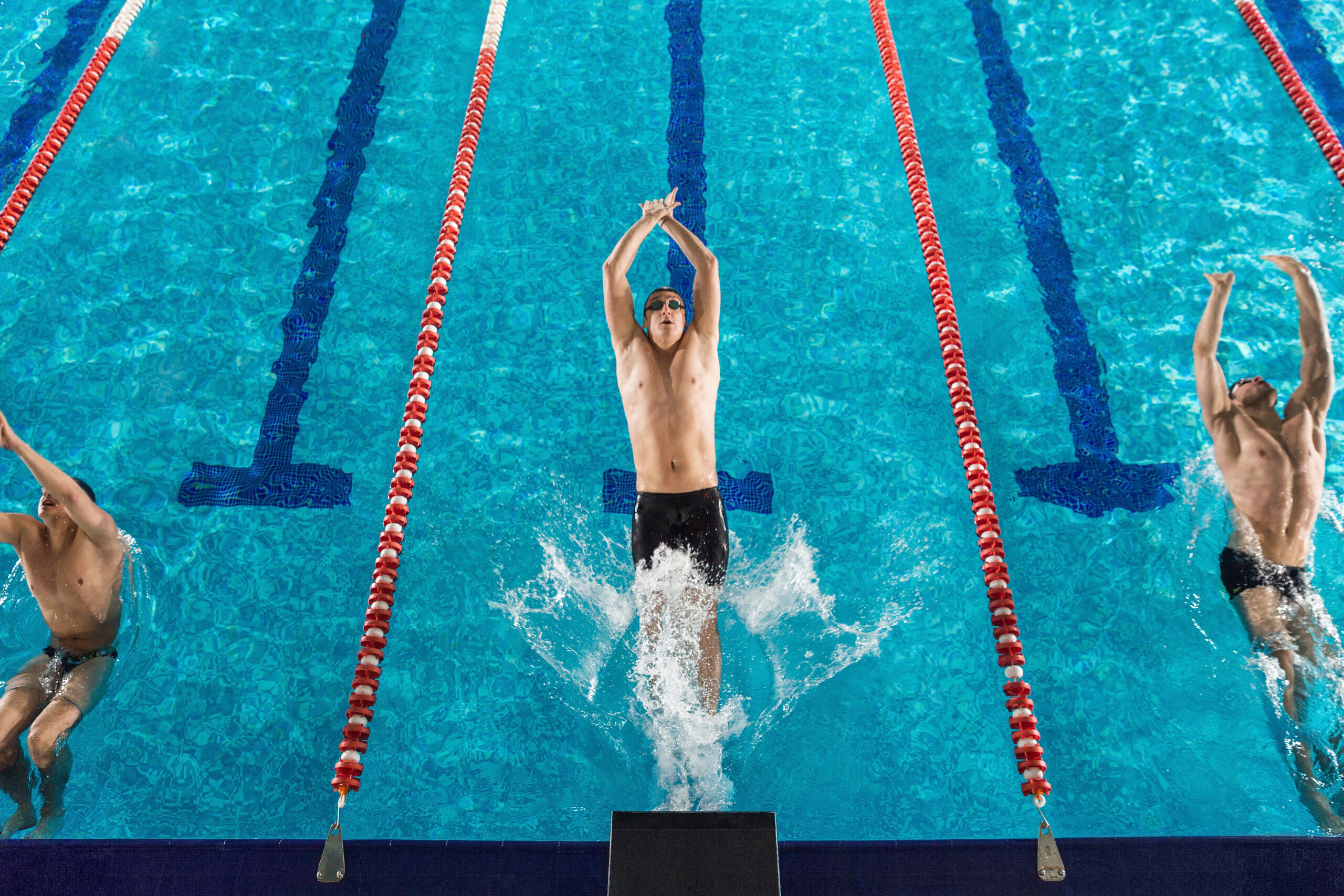
Artistic Swimming Olympics, once known as synchronized swimming, is one of the most visually stunning sports in the Olympic Games. It combines the elegance of dance, the precision of gymnastics, and the endurance of swimming. Athletes perform synchronized routines set to music, creating an art form that’s as demanding as it is beautiful.
The Origins of Artistic Swimming
The roots of artistic swimming go back to the early 20th century. The sport first appeared as “water ballet,” performed for entertainment at aquatic shows and exhibitions. Canadian swimmer Margaret Sellers and American performer Annette Kellerman helped popularize the idea of choreographed routines in water.
By the 1930s, universities and swimming clubs began organizing formal competitions. The sport evolved to include athletic difficulty, timing, and synchronization—transforming it from an exhibition to a true competitive discipline.
It was officially recognized by the International Swimming Federation (FINA) in 1952, which standardized the rules and made way for international competitions.
Artistic Swimming Enters the Olympics
Artistic swimming made its Olympic debut at the 1984 Los Angeles Games as a women-only sport. Initially, there were solo and duet events, where swimmers performed choreographed routines judged on technique, artistic impression, and synchronization.
Over time, the sport evolved:
- The team event was introduced in 1996, replacing the solo competition.
- The duet event returned alongside the team event in 2000 at the Sydney Olympics.
- Today, artistic swimming features two Olympic events: the duet and team routines.
The routines are judged on three main factors—artistic impression, execution, and difficulty—making it a sport that values both creativity and athletic precision.
The Demands of Artistic Swimming
While artistic swimming looks effortless, it’s one of the most challenging sports in the Olympics. Athletes train for hours every day to master breath control, flexibility, and perfect timing.
1. Strength and Endurance
Swimmers must hold themselves above the water while executing lifts, spins, and kicks—all without touching the pool floor. That requires immense core, leg, and upper body strength.
2. Breath Control
Many moves are performed underwater, and athletes often hold their breath for 30 seconds or more during a single sequence. It’s common for swimmers to practice holding their breath for minutes at a time to build lung capacity.
3. Synchronization and Precision
Every move must be perfectly timed to the music and to teammates. Even a slight delay or uneven motion can affect the overall score.
4. Choreography and Creativity
Athletes work with coaches and choreographers to design routines that tell a story. The music, movements, and formations all combine to create a dramatic visual performance.
Judging Criteria in the Olympics
Artistic swimming routines are judged using a 100-point system that evaluates three key elements:
- Execution (30%) – How accurately and cleanly the swimmers perform their movements.
- Artistic Impression (40%) – The creativity, expression, and musical interpretation of the performance.
- Difficulty (30%) – The technical challenge of the choreography, including lifts, transitions, and underwater sequences.
Judges must assess both individual skill and team coordination. A flawless routine requires not only technical mastery but also emotional connection with the audience.
Iconic Olympic Moments in Artistic Swimming
The Rise of the USA and Canada (1980s–1990s)
In the early years of the sport, North American countries like the United States and Canada dominated. Swimmers such as Tracie Ruiz (USA) and Carolyn Waldo (Canada) became household names, setting new standards for technical precision and artistry.
Russia’s Unbroken Streak (2000–2020)
From the 2000 Sydney Olympics to Tokyo 2020, Russia remained unbeatable in both duet and team events. Athletes like Svetlana Romashina and Natalia Ishchenko delivered near-perfect performances, earning multiple gold medals and elevating the sport’s artistic level.
Japan and China’s New Era
In recent years, Japan and China have become major contenders. Their routines stand out for intricate choreography, cultural themes, and innovative lifts. China won silver at Tokyo 2020, signaling a strong challenge to Russia’s dominance.
The Inclusion of Men in Artistic Swimming
A groundbreaking change is coming to the sport: men will compete in artistic swimming at the 2024 Paris Olympics.
This marks the first time the discipline will be gender-inclusive, allowing up to two men to participate in the team event. Male athletes have been part of world competitions since 2015, and their inclusion at the Olympics represents a major step toward equality and broader recognition of the sport.
This shift also opens the door to new choreography possibilities, as men often add power and height to lifts, enhancing visual dynamics in routines.
Training and Preparation for Olympic Artistic Swimmers
Artistic swimmers are among the hardest-working athletes in the Olympic community. Their training involves much more than swimming practice.
Daily Regimen
A typical day includes:
- Water sessions (4–6 hours) focusing on choreography, synchronization, and formations.
- Strength training such as resistance workouts and Pilates to build stability.
- Dance and flexibility training for body control and expressiveness.
- Breathing exercises to extend underwater endurance.
Swimmers often practice their routines hundreds of times before competitions to achieve flawless synchronization.
The Role of Music and Costume Design
Music is the heartbeat of artistic swimming. Each team selects a soundtrack that complements the story or emotion they want to express—ranging from classical symphonies to modern pop remixes.
Costumes also play a major role. They are custom-designed to enhance the performance theme while being functional in water. Sequins and glittery fabrics are common, but costumes must be lightweight and hydrodynamic.
Every detail—from the makeup to the hairstyle—is carefully planned to match the artistic vision.
Challenges Facing Artistic Swimming
While artistic swimming has grown in popularity, it faces a few challenges:
- Subjective Judging: Artistic elements are open to interpretation, sometimes leading to disputes over scoring.
- Physical Toll: The constant strain on joints, lungs, and muscles can lead to long-term injuries.
- Visibility and Funding: Despite its Olympic status, artistic swimming receives less media attention than other aquatic sports.
Still, the dedication of athletes and fans keeps the sport thriving, and every Olympic Games brings renewed attention to its beauty and complexity.
Artistic Swimming at the 2024 Paris Olympics
The Paris 2024 Olympics will be a historic milestone for artistic swimming. For the first time, men will join women in the team competition, making it a fully inclusive event.
Fans can expect breathtaking choreography, innovative lifts, and emotional performances that reflect both athletic excellence and artistic storytelling. With teams from Russia, Japan, China, Spain, and the USA among the top contenders, the competition promises to be one of the most anticipated events in the aquatic category.
Why Artistic Swimming Deserves More Recognition
Artistic swimming often doesn’t get the same spotlight as other Olympic sports, yet it represents the perfect balance between art, discipline, and teamwork.
Every routine is a masterpiece that requires:
- Physical endurance
- Artistic creativity
- Synchronization
- Musical rhythm
It’s not just about swimming—it’s about turning the pool into a stage where human skill meets artistic imagination.
Conclusion
Artistic swimming at the Olympics is more than a competition—it’s a celebration of harmony, strength, and artistic expression. From its origins as water ballet to its evolution into a gender-inclusive Olympic sport, it has inspired generations of athletes and fans worldwide.
The next time you watch an artistic swimming routine, remember the intense training, breath control, and choreography behind each movement. It’s not just sport—it’s living art performed underwater.