When your air conditioner suddenly stops working in the middle of summer, it’s more than an inconvenience—it’s a crisis. AC repair services become essential when your cooling system struggles to keep your home comfortable. Whether you’re dealing with weak airflow, strange noises, or warm air coming from the vents, understanding the basics of AC repair can help you make better decisions, save money, and extend the life of your system.
Why Regular AC Maintenance and Repair Matter
Air conditioning systems work hard, especially during hot months. Like any mechanical equipment, they wear down over time. Regular maintenance and timely repair not only ensure comfort but also prevent costly breakdowns.
Benefits of Timely AC Repair
- Improved energy efficiency – A well-maintained unit uses less power and cools more effectively.
- Extended lifespan – Repairing issues early helps your system last longer.
- Better air quality – Clean filters and coils reduce dust and allergens.
- Lower utility bills – A repaired AC doesn’t need to overwork to keep your home cool.
- Fewer breakdowns – Regular care minimizes emergency service calls.
A small issue today can turn into a major expense tomorrow if left unchecked.
Common AC Problems Homeowners Face
Air conditioners can develop various problems due to age, dust, or lack of maintenance. Here are some of the most common issues that require AC repair.
1. AC Blowing Warm Air
If your AC isn’t cooling, it may be due to:
- Low refrigerant levels
- Dirty evaporator coils
- A faulty compressor
- Electrical issues
A technician can inspect and identify whether it’s a simple fix like topping up refrigerant or something more serious.
2. Poor Airflow
Weak or inconsistent airflow can signal clogged filters, duct blockages, or motor problems. Regular cleaning often restores efficiency.
3. Strange Noises or Vibrations
Buzzing, rattling, or grinding sounds indicate something loose or broken inside the system. Turning off the AC immediately prevents further damage.
4. Water Leaks
AC systems naturally produce condensation, but leaks around the unit mean a clogged drain or broken condensate line.
5. High Energy Bills
If your electricity bills have spiked recently, your AC might be overworking due to dirty coils, blocked vents, or low refrigerant.
When to Call for Professional AC Repair
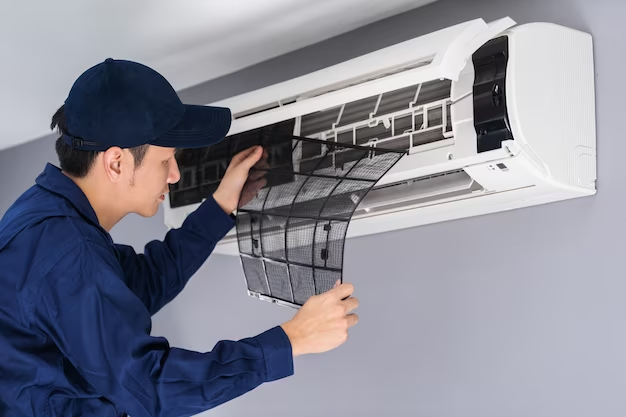
Some issues, like replacing filters or cleaning vents, can be handled at home. However, for more complex problems, it’s safer to call a certified HVAC technician.
Signs You Need a Technician
- The AC doesn’t turn on at all.
- You notice burning smells or smoke.
- The system keeps short-cycling (turning on and off too often).
- The thermostat isn’t responding properly.
- You hear loud mechanical noises during operation.
Professional technicians have the tools and training to diagnose issues accurately and ensure repairs meet safety standards.
Steps a Professional Follows During AC Repair
When you call for service, the repair process usually follows a few key steps:
- System Inspection – The technician checks the thermostat, electrical connections, and refrigerant pressure.
- Problem Diagnosis – They identify faulty components or blockages.
- Part Replacement or Cleaning – Filters, belts, or coils may be repaired or replaced.
- System Testing – The technician runs the system to ensure it’s cooling efficiently.
- Final Recommendations – You’ll receive maintenance tips or future service suggestions.
The entire process often takes one to two hours for standard repairs.
Preventive Maintenance Tips to Avoid Costly Repairs
You can reduce your need for frequent AC repair with consistent maintenance habits.
Homeowner Maintenance Checklist
- Clean or replace air filters every 30–60 days.
- Keep the outdoor unit clear of leaves, dirt, and debris.
- Check thermostat batteries twice a year.
- Inspect ducts for leaks or loose connections.
- Schedule professional tune-ups at least once a year.
These simple steps can improve performance and prevent 80% of common AC breakdowns.
Average Cost of AC Repair
AC repair costs vary depending on the problem and type of unit. On average, homeowners can expect the following:
- Minor repairs (filters, fuses, or relays): $75 – $200
- Refrigerant recharge: $150 – $500
- Thermostat replacement: $100 – $300
- Fan motor replacement: $200 – $600
- Compressor repair or replacement: $1,000 – $2,500
The best way to manage repair costs is through preventive maintenance and early problem detection.
DIY Troubleshooting Before Calling a Technician
Before scheduling a repair, you can try a few quick fixes that often solve simple issues.
Try These Steps:
- Check the thermostat – Ensure it’s set to “cool” and at the desired temperature.
- Replace the air filter – A dirty filter can block airflow and cause freezing.
- Inspect the circuit breaker – Reset it if the AC tripped it.
- Clean the vents and coils – Dust and dirt can lower cooling efficiency.
- Clear the condensate drain – Use a wet-dry vacuum if you notice pooling water.
If these steps don’t work, it’s time for professional help.
Choosing the Right AC Repair Company
Selecting the right technician can make all the difference in repair quality and reliability.
What to Look For
- Certified and licensed technicians – Always confirm their credentials.
- Transparent pricing – Avoid companies that give vague quotes.
- Good reviews – Check customer feedback online.
- Emergency services – Choose a company available 24/7 during summer months.
- Warranties on parts and labor – This protects you from recurring issues.
Many reputable HVAC companies offer maintenance plans that include annual tune-ups and priority repair service.
AC Repair vs. AC Replacement: What’s the Better Option?
Sometimes, continuous repairs can become more expensive than replacing the unit. Knowing when to make the switch can save you thousands.
Replace Your AC If:
- It’s more than 10–15 years old.
- You’ve had multiple major repairs in one year.
- It uses outdated refrigerants like R-22.
- Your energy bills keep climbing.
A new AC system can cut your energy costs by up to 30% and offer modern smart features for better comfort control.
Eco-Friendly AC Repair and Energy Efficiency
Modern homeowners are becoming more environmentally conscious. When repairing your AC, consider eco-friendly upgrades:
- Use energy-efficient refrigerants that meet EPA standards.
- Install a smart thermostat for better temperature control.
- Opt for reusable filters instead of disposable ones.
- Schedule regular maintenance to minimize energy waste.
These steps not only reduce your carbon footprint but also lower your monthly bills.
Conclusion
Your air conditioner is a vital part of your home’s comfort system, especially during hot weather. Keeping it in top shape through timely AC repair and preventive maintenance saves money, improves energy efficiency, and ensures consistent cooling performance.
By learning to recognize early signs of trouble and partnering with a trusted HVAC professional, you can avoid unexpected breakdowns and enjoy a cooler, healthier indoor environment.
Whether you’re dealing with minor repairs or major overhauls, the key is simple—act fast, maintain regularly, and repair smart.