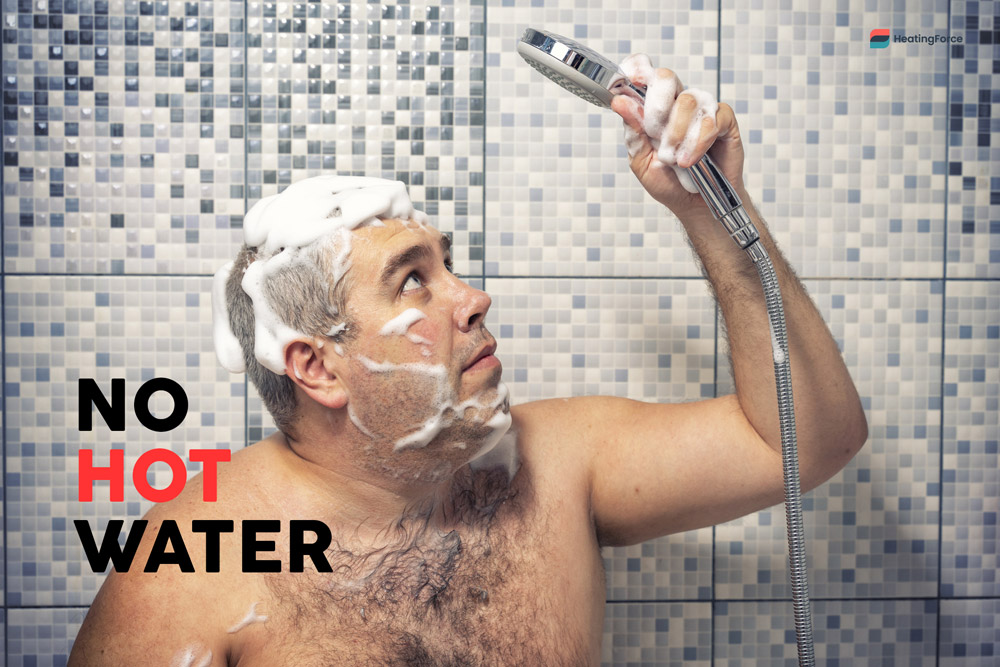
Nothing feels more frustrating than turning on the faucet expecting a relaxing warm shower—only to be greeted by freezing cold water No Hot Water. Whether it’s early morning before work or late at night after a long day, losing access to hot water is inconvenient, disruptive, and in many cases, urgent to fix. Fortunately, most hot water problems can be solved with the right knowledge and a bit of troubleshooting.
Understanding the Importance of Hot Water
Hot water isn’t just a luxury; it’s part of daily necessities. We use it for:
- Bathing and showering
- Dishwashing
- Laundry
- Cooking and sanitation
- Household cleaning
When hot water suddenly stops, everyday tasks become uncomfortable and difficult. Before panic sets in, remember—most no-hot-water problems have simple explanations and solutions.
Common Reasons You Have No Hot Water
Hot water issues typically fall under one of these categories:
- Water heater malfunction
- Electrical or gas supply failure
- Sediment buildup inside the tank
- Thermostat or heating element failure
- Pilot light issues in gas heaters
- Incorrect settings or temperature adjustments
- Leaks reducing water capacity
- Frozen or blocked pipes (cold climates)
Identifying the cause is the first step to restoring hot water quickly.
Types of Water Heaters and How They Work
Different systems break down differently. Knowing your model helps you troubleshoot correctly.
1. Electric Water Heater
Uses electric heating elements inside the tank.
Common issues: burnt elements, blown fuse, faulty thermostat.
2. Gas Water Heater
Uses natural gas or propane to heat water.
Common issues: pilot light out, gas supply failure, thermocouple issues.
3. Tankless (On-Demand) Heater
Heats water instantly without storing it.
Common issues: low flow rate, blocked filter, high demand overload.
4. Solar Water Heater
Powered by solar panels and backup heater.
Common issues: cloudy weather, system leaks, pump failure.
5. Heat Pump Water Heater
Extracts heat from surrounding air.
Common issues: low ambient temperature, compressor malfunction.
Each system has specific weak points that may cause water loss.
No Hot Water in an Electric Water Heater: Causes & Solutions
If you have no hot water at all, start here first.
1. Check the Power Supply
✔ Ensure the breaker hasn’t tripped
✔ Reset if needed
✔ Confirm heater is plugged in
If power is off, heating stops instantly.
2. Thermostat Failure
If the thermostat is faulty or improperly set, the heater won’t heat up.
Fix:
Adjust temp to 120–140°F. If still no heat, thermostat may need replacement.
3. Burnt Heating Element
Over time, heating coils burn out.
Fix:
Requires replacement (DIY possible if handy or call a technician).
4. Sediment Buildup
Minerals settle at the bottom, reducing heating efficiency.
Fix:
Flush the tank every 6–12 months.
No Hot Water in a Gas Water Heater
1. Pilot Light Turned Off
One of the most common gas heater problems.
Fix:
Relight using instructions on the tank. If it won’t stay lit—the thermocouple might be faulty.
2. Gas Supply Issue
If gas is turned off or interrupted, heater cannot operate.
Fix:
Check gas valve position, gas line, or call your gas provider.
3. Faulty Thermocouple
This sensor shuts off gas for safety. If damaged, the pilot won’t stay lit.
Fix:
Replace thermocouple (quick fix for technicians).
4. Burner or Vent Blockage
Dust or debris prevents proper ignition.
Fix:
Clean burner/vent and ensure proper airflow.
Tankless Heaters – Hot Water Suddenly Stopped
Tankless heaters are efficient, but sensitive.
Possible Causes:
- Overloaded by multiple faucets
- Dirty water filter
- Low water pressure
- Mineral scaling on heat exchanger
Solutions:
✔ Run fewer appliances at once
✔ Clean filter and flush system
✔ Descale annually
✔ Increase heater capacity if household demand is high
Tankless units work best when maintained regularly.
No Hot Water in Only One Faucet?
If water works elsewhere, the issue isn’t the heater.
Possible causes:
- Faucet cartridge blockage
- Clogged aerator
- Supply line issue
- Mixing valve failure
Fix:
Clean or replace faucet parts. Simple and inexpensive repair.
Hot Water Runs Out Too Fast
If you get hot water but not enough, consider these issues:
- Tank too small for household usage
- Sediment reducing tank capacity
- Thermostat set too low
- High water demand
Solutions:
- Raise temperature to 120–140°F
- Flush tank
- Upgrade to larger tank or tankless system
Families often outgrow their heater unknowingly.
No Hot Water in Winter – Special Cases
Cold weather brings unique challenges, especially in freezing climates.
Causes:
- Frozen pipes restrict water flow
- Heater struggles in low temperatures
- Demand increases in winter
Solutions:
✔ Insulate outdoor pipes
✔ Keep taps dripping slightly to prevent freezing
✔ Use heater blanket in cold basements
✔ Raise thermostat slightly during winter
Winter prep saves you from cold-water shock.
DIY Troubleshooting Checklist
Before calling a professional, perform these quick checks:
| Issue | Quick Fix |
|---|---|
| Breaker tripped | Reset breaker |
| Pilot light off | Relight carefully |
| Thermostat low | Raise temperature |
| Sediment buildup | Flush tank |
| Burner dirty | Clean and relight |
| Tank leaking | Turn off supply & call plumber |
Simple checks can restore hot water instantly in many homes.
When to Call a Professional
Not every issue should be DIY—especially if safety is involved.
Call an expert if:
- You smell gas
- Heater is leaking or rusting
- Circuit keeps tripping
- Strange noises persist
- Pilot light repeatedly goes out
- Water temperature fluctuates unpredictably
- Repairs require part replacements
A skilled plumber can diagnose in minutes what might take you hours.
Prevent Hot Water Problems in the Future
Like any appliance, maintenance extends lifespan and efficiency.
Preventive Tips:
🔹 Flush tank every 6–12 months
🔹 Check anode rod yearly in tank heaters
🔹 Insulate pipes and heater in winter
🔹 Keep thermostat at safe temperature
🔹 Schedule annual professional inspection
Prevention is cheaper than repair.
Upgrading Your Water Heater – Is It Time?
If your heater is over 8–12 years old, efficiency drops and problems increase.
Signs you need replacement:
- Frequent repairs
- Rust-colored water
- Loud banging sounds
- Higher utility bills
- Water not heating consistently
Modern heaters offer better performance and energy savings.
Most Efficient Heater Options Today
If upgrading, consider:
| Type | Best For |
|---|---|
| Tankless | High efficiency, endless hot water |
| Heat Pump | Lower energy costs |
| Solar | Eco-friendly & long-term saving |
| Condensing Gas | Faster heating, high demand |
Choosing the right model prevents future “no hot water” headaches.
Safety Tips to Remember
Hot water systems involve electricity, gas, and pressure—handle carefully.
⚠ Turn off power before repairs
⚠ Never attempt gas repairs if untrained
⚠ Keep flammable items away from heater
⚠ Avoid setting temps above 140°F to prevent burns
⚠ If you smell gas—leave immediately & call emergency services
Safety first—repairs second.
Conclusion
Finding yourself with no hot water is inconvenient, but rarely hopeless. From pilot light issues and heating element failures to sediment buildup and thermostat problems, most causes are identifyable and fixable. With the help of this guide, you can troubleshoot effectively, restore warmth quickly, and prevent future problems with smart maintenance.
Hot water is a daily comfort every household deserves—and with proper care, your water heater can remain reliable for many years. When necessary, don’t hesitate to seek professional help or consider an upgrade for better efficiency and peace of mind.