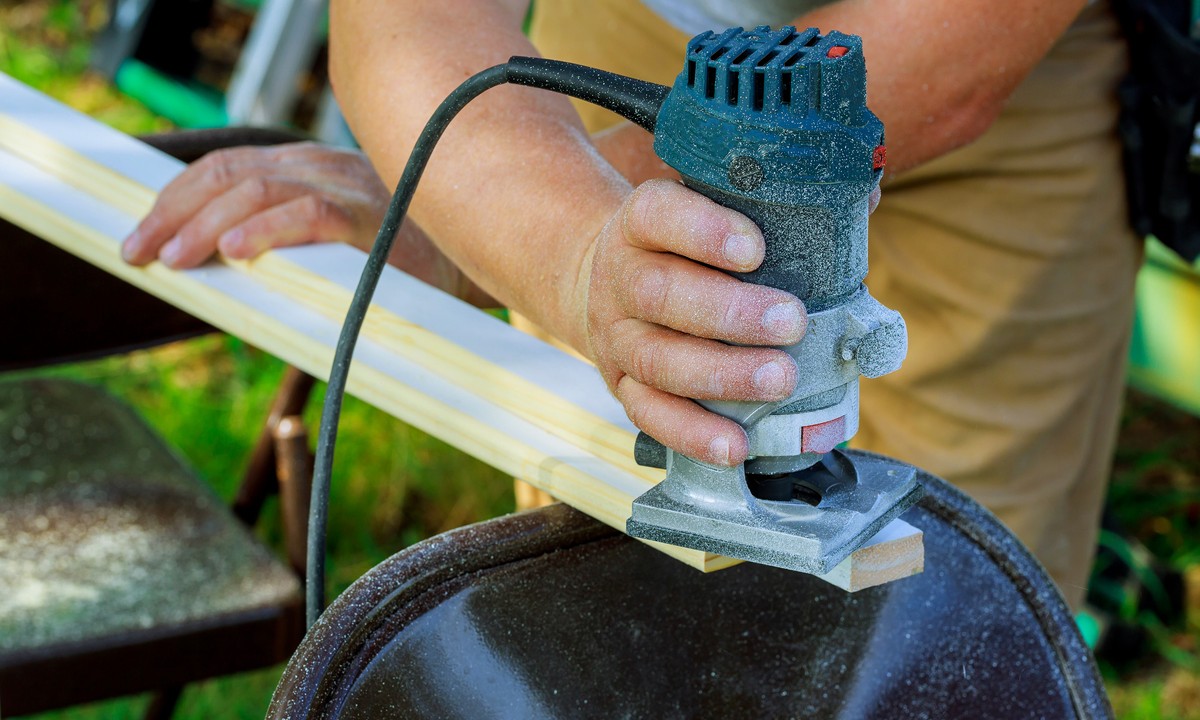
In the world of woodworking, few tools are as versatile and rewarding as the plunge router. Whether you’re a hobbyist shaping edges on a coffee table or a professional cabinet maker crafting intricate joinery, a plunge router is one tool that can elevate the quality and precision of your work. Unlike fixed-base routers that start cutting from the edge, plunge routers allow you to begin cutting from the surface of the material. This one feature alone opens the door to countless woodworking possibilities.
What is a Plunge Router?
A plunge router is a woodworking tool designed to rout (hollow out) areas in hard materials such as wood, plastic, or even certain soft metals. What separates it from a fixed-base router is the ability to move the motor housing up and down on spring-loaded posts, allowing the bit to lower into the material during operation. Instead of setting the depth beforehand, you can start above the wood surface and plunge downward to begin a cut anywhere.
This feature makes the plunge router ideal for tasks like:
- Cutting mortises
- Carving grooves and slots
- Engraving patterns
- Creating hinge recesses
- Inlay work
- Template routing
- Dadoes and flutes
In short, it’s a precision tool built for both creativity and practical joinery.
Why Woodworkers Prefer Plunge Routers
While a fixed-base router is excellent for edge work, the plunge router brings flexibility and control to more complex woodworking tasks. Here are a few reasons craftsmen love it:
1. Versatility
From shallow prints to deep mortises, the plunge router adapts to nearly any duty. It handles decorative routing, joinery, trimming, and even sign-making.
2. Adjustable Depth Control
You can set the cutting depth accurately using the depth stop and micro-adjusters. This gives repeatable, consistent results—essential for batch work.
3. Ability to Start Cuts Anywhere
Because the bit lowers during operation, you aren’t limited to starting cuts from the edge of the board. Plunge where you want and move freely.
4. Safety & Stability
Many plunge routers feature soft-start motors, ergonomic grips, and guided plunge mechanisms that help beginners maintain control.
5. Compatible With Router Tables
Though optimized for handheld work, plunge routers also work well on router tables with proper setup.
Overall, if you want a router that can do everything a fixed-base can—and more—a plunge router is the smarter long-term investment.
Plunge Router vs Fixed Router: Key Differences
| Feature | Plunge Router | Fixed-Base Router |
|---|---|---|
| Start Position | Begins above surface | Bit depth fixed before cutting |
| Best Use | Mortises, grooves, interior cuts | Edge trimming, profiling |
| Depth Control | Adjustable while cutting | Must stop to adjust |
| Learning Curve | Slightly higher | Beginner-friendly |
| Versatility | High | Moderate |
Most professionals own both, but if you must start with one, the plunge router offers greater flexibility, especially for woodworking evolution.
Common Applications of a Plunge Router
The beauty of this tool lies in how many jobs it can perform. Let’s take a closer look at where plunge routers excel.
1. Mortise & Tenon Joinery
Cutting mortises by hand takes time and skill. A plunge router creates clean, exact mortises with minimal effort, making strong furniture joints easier than ever.
2. Inlay & Carving
If you love craft-level detailing, this tool helps you carve shallow cavities for decorative pieces, metal inlays, or contrasting woodwork.
3. Dadoes & Grooves
Drawer bottoms, shelves, and panels often require grooves. A plunge router can cut them with precise width and depth control.
4. Template Work
Using guide bushings or bearing-bits, you can replicate shapes, handles, signs, guitar bodies, and more.
5. Surface Trimming
Equipped with the right bit, it levels slabs, removes uneven surfaces, and smooths epoxy pours.
6. Hinge Recesses & Door Hardware
Perfect for installing door hinges or locksets with crisp, professional-grade results.
7. Decorative Edges & Profiles
Round-overs, chamfers, ogees—even beginners can produce elegant flourishes.
The more creative you are, the more useful your plunge router becomes.
How to Use a Plunge Router Safely
Routers spin at high speeds (often 8,000 to 25,000 RPM). Used properly, they’re incredibly safe, but carelessness can lead to accidents. Follow these essential safety tips:
Wear Protective Gear
- Safety glasses
- Hearing protection
- Dust mask or respirator
- Avoid loose clothing
Secure the Workpiece
Clamp your material firmly. Never hold your project by hand while routing.
Choose the Right Bit
Use sharp, high-quality bits. Dull bits overheat and burn the wood.
Set Depth Before Starting
Adjust depth stops to prevent routing deeper than intended.
Use Both Hands
Maintain solid grip control. A wandering router can ruin work or cause injury.
Feed Direction Matters
Always feed the router against the bit rotation, not with it.
Start Slow, Increase Confidence
Beginners should practice on scrap wood first.
Safety leads to better work—and confidence leads to creativity.
Choosing the Right Plunge Router
Buying a plunge router isn’t just about grabbing one off the shelf. Understanding specifications ensures you find a model that fits your style, budget, and workload.
Here’s what to look for:
1. Motor Power
Measured in HP or watts. For general use:
- 1.5 – 2.25 HP – ideal for hobbyists and light work
- 2.5 – 3.25 HP – best for heavy routing and hardwoods
More power equals smoother cutting and less stalling.
2. Variable Speed Control
Different materials require different speeds. Adjustable RPM prevents burn marks and bit damage.
3. Depth Adjustment System
Look for:
- Micro-adjustment dials
- Multi-step turret stops
- Easy plunge lock mechanisms
Precision saves time.
4. Base Plate & Grip Comfort
Transparent bases improve visibility. Ergonomic handles reduce fatigue during long sessions.
5. Collet Size
Most routers accept:
- ¼-inch bits (fine detail work)
- ½-inch bits (stronger and more stable)
Ideally, choose a router supporting both sizes.
6. Dust Collection Compatibility
Routing produces fine dust. A vacuum port keeps work clean and lungs safe.
7. Build Quality & Weight
A solid build prevents vibration. Lightweight routers are easier to maneuver but heavy ones stabilize deep cuts.
Essential Router Bits for Plunge Work
Bits shape the work you do. Consider adding these to your kit:
- Straight bits (grooves, dados, mortises)
- Spiral bits (clean cutting, excellent chip removal)
- Flush trim bits (template work)
- Chamfer bits (angled edges)
- Round-over bits (smooth decorative corners)
- V-groove bits (engraving and sign making)
- Dovetail bits (joinery)
- Slot cutting bits (shelf and panel work)
Starting with a variety pack gives flexibility to explore.
Plunge Router Techniques to Improve Your Craft
1. Multiple Pass Cutting
Never remove too much material at once. Deep cuts stress the motor and scorch wood. Use shallow progressive passes.
2. Template Routing for Consistency
Create templates from MDF or acrylic to duplicate shapes perfectly.
3. Climb Cutting Sparingly
Climb cutting produces cleaner edges but increases kickback risk—best left to skilled users only.
4. Stabilize Edges with Guide Rails
Straight edges and fences ensure accuracy while routing long grooves.
5. Mark & Test Depth
Always test on scrap before touching your final project.
Mastering technique is what transforms average woodworking into fine craftsmanship.
Maintenance & Care for Longevity
A well-maintained plunge router can last many years. Keep yours in top condition by:
- Cleaning dust from vents and moving parts regularly
- Lubricating plunge posts occasionally
- Storing bits in a dry, organized case
- Sharpening or replacing bits when they dull
- Checking brushes in the motor periodically
- Using the right bit speed to avoid overheating
Taking care of your tools means better results and fewer breakdowns.
Advantages & Disadvantages of a Plunge Router
Pros
✔ Highly versatile
✔ Multi-depth cutting ability
✔ Ideal for complex joinery and interior cuts
✔ Excellent for professional detailing
Cons
✘ More expensive than fixed routers
✘ Slightly heavier and bulkier
✘ Requires practice to master
However, the benefits usually outweigh drawbacks for serious woodworkers.
Popular Plunge Router Project Ideas
If you’re looking for inspiration, try:
- Building a custom cutting board with inlay patterns
- Making cabinet doors with raised panels
- Creating name plaques and wooden signs
- Designing a decorative tabletop edge
- Crafting a jewelry box with mortise-and-tenon joints
- Making picture frames with molding profiles
- Routing grooves for LED strip lighting
The possibilities are endless—and extremely rewarding.
Final Thoughts
A plunge router is more than just another tool in your workshop—it’s a gateway to woodworking creativity, precision, and professional-level results. Whether you’re crafting furniture, shaping decorative accents, or learning joinery for the first time, this tool empowers you to work with flexibility and confidence.
With the right bits, proper safety, and a little practice, even beginners can create stunning projects. Investing in a quality plunge router is one of the smartest moves a woodworker can make, not only for productivity but for the joy of creating with your own hands.