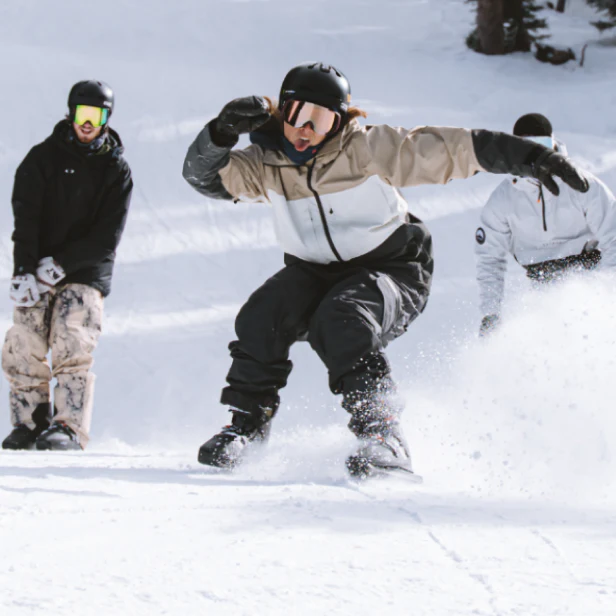
The skiing world is evolving, and with it, new equipment is reshaping how riders experience the mountain. Among the innovations gaining fast popularity are ODR skis — compact, lightweight skis built for freedom, agility, and fun. Unlike traditional skis that demand length, boots, bindings, and a steep learning curve, skis break the rules in the best way possible. With the ability to carve, glide, and maneuver in a more natural stance, these skis are making the sport easier and more accessible for beginners, freestyle enthusiasts, and experienced skiers seeking something fresh.
Whether you’re browsing gear for winter trips, adding new equipment to your ski collection, or learning why skis have become a trending topic in snow sports, this guide covers everything you need to know — from features, performance, sizing, benefits, maintenance, and how skis compare to regular skis and snowblades.
What Are ODR Skis?
ODR skis (also known as mini skis or short skis) are compact skis designed for ease of use, maneuverability, and fun. Unlike full-length skis which traditionally range from 150cm to 190cm depending on rider height, ODR skis are significantly shorter — often ranging from 65cm to 100cm.
They are built to give a skate-like feel with ski control, allowing users to ride slopes without bulky gear. In many models, riders can even use standard winter boots instead of ski boots, unlocking a more casual, playful experience.
ODR skis are:
- Lightweight and compact
- Beginner-friendly
- Highly maneuverable
- Portable and easy to store
- Perfect for resorts, parks, and casual rides
This shift in design is bridging the gap between skiing, snowboarding, and skate culture.
Why ODR Skis Are Growing in Popularity
In recent years, ODR skis have exploded in visibility across winter sports forums, YouTube channels, ski resorts, and TikTok edits of riders carving down slopes with effortless control. Here’s why:
1. Easier Learning Curve
Traditional skiing requires multiple lessons. ODR skis shorten that curve significantly due to their compact size and natural stance.
2. Less Equipment to Carry
Short skis = lighter gear. No ski boots required on many models, making them ideal for travel.
3. Fun-Focused Ride
You don’t need to master technique to enjoy the experience. ODR skis prioritize freedom and play over perfection.
4. Perfect for Tricks and Park Riding
The shorter frame makes spins, jumps, and quick turns more accessible.
5. Suitable for All Skill Levels
Beginners enjoy control — experts enjoy possibilities.
These skis open the mountain to more people, without losing the thrill experienced by pros.
ODR Skis vs. Traditional Skis: Key Differences
| Feature | ODR Skis | Traditional Skis |
|---|---|---|
| Length | Short (mini) | Long/full size |
| Weight | Very light | Heavier |
| Footwear | Often winter boots | Ski boots required |
| Learning Curve | Easy | Moderate–high |
| Portability | High | Low |
| Speed | Moderate | Higher max speed |
| Maneuverability | Excellent | Depends on skill |
| Best For | Fun riding, parks, freestyle | Speed, advanced carving, performance |
If you’re searching for raw downhill speed and aggressive carving on steep lines, full skis still lead the way.
If you want flexibility, comfort, and a playful ride — skis bring something new to the table.
Design Features of ODR Skis
Modern ODR skis are engineered with performance and durability in mind. Common features include:
1. Durable Composite Construction
Most skis use layered materials like fiberglass and high-density plastic for impact resistance.
2. Steel Edges for Carving
Yes — you can carve on skis. Steel edges grip snow and ice like traditional skis.
3. Adjustable Bindings
Bindings vary depending on model, but many offer adjustable boot mounts making them fit a wide range of footwear.
4. All-Terrain Compatibility
From groomed slopes to park features and side hits, skis handle diverse environments.
5. Comfort Focused Design
Light weight reduces fatigue, allowing longer sessions with less strain.
Who Are ODR Skis For?
ODR skis appeal to a wide audience, making them incredibly marketable.
They’re ideal for:
- New skiers learning basics
- Travelers wanting packable equipment
- Riders who dislike stiff ski boots
- Kids and teens learning balance
- Park freestyle riders
- Snowboarders curious about skiing
- Adventure lovers who value fun over performance stats
If skiing felt intimidating before, ODR skis create a more welcoming entry.
Where Can You Use ODR Skis?
While suited for most ski resorts, ODR skis are especially popular in:
- Terrain parks
- Small hills or backyard slopes
- Snow resorts and public mountains
- Carving practice areas
- Freestyle zones
- Learning slopes
They turn even an average slope into a playground.
How to Ride ODR Skis (Beginner Tips)
If it’s your first time hopping on ODR skis, here’s how to start confidently:
1. Begin on Gentle Terrain
Start small to get a feel for balance and weight shift.
2. Keep Knees Slightly Bent
Flex helps with control and shock absorption.
3. Lean Forward Slightly
Safe skiing rule — nose over toes, never leaning back.
4. Use Small Edging Movements
Turning with skis feels closer to skating — short, controlled shifts do the trick.
5. Practice Short Runs and Stops
Snowplow or controlled parallel stops work great.
Within an hour, most riders get comfortable.
Styling & Accessories
To enhance the ODR ski experience, gear pairing matters:
- Waterproof pants & jacket
- Warm winter boots (if compatible)
- Gloves with grip
- Helmet for safety
- Goggles for visibility
- Compact backpack
ODR skiing feels casual, but the right gear elevates comfort and performance.
Maintenance & Durability
Taking care of skis ensures seasons of fun:
- Sharpen edges occasionally
- Dry skis fully after use
- Store in a cool, dry place
- Wax base for speed and protection
- Inspect bindings regularly
Because ODR skis are smaller, maintenance is easier and faster.
Are ODR Skis Worth It?
For many riders — yes. They’re fun, lightweight, easy to transport, and beginner-friendly. Skis are not designed to replace traditional skis entirely, but they expand riding possibilities.
Choose ODR skis if you want:
- Less gear & more freedom
- Playful cruising instead of racing
- Something new in your ski arsenal
- Compact, travel-friendly equipment
Their growing popularity speaks for themselves.
Final Thoughts
ODR skis represent the new era of snow riding — compact, intuitive, and full of personality. They aren’t just equipment; they are a fresh approach to skiing that prioritizes fun, movement, and exploration. From casual weekend riders to adventure families and park enthusiasts, skis open winter sports to more people with less hassle and more excitement.
Whether you’re carving down resort slopes, hitting park features, or teaching someone to ski for the first time, skis bring back what snow sports are truly about — freedom, joy, and play.