Proper ventilation is one of the most overlooked aspects of residential construction, yet it plays a critical role in protecting a home’s structure, comfort, and energy efficiency. Among the many ventilation options available, the gable vent remains one of the most common and cost-effective solutions. Found near the peak of a home’s exterior wall, gable vents help regulate airflow within the attic, preventing heat buildup, moisture accumulation, and long-term damage.
Whether you are a homeowner, contractor, or content publisher in the construction or home improvement niche, understanding gable vents is essential. This article explores what gable vents are, how they work, their advantages and limitations, installation considerations, and why they continue to be relevant in modern building design.
What Is a Gable Vent?
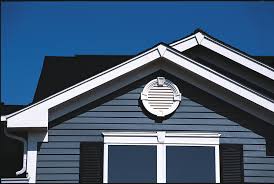
A gable vent is a type of attic ventilation opening installed in the gable end of a house—the triangular section of an exterior wall beneath the roofline. These vents allow hot air and moisture from the attic to escape while drawing in cooler outside air, helping to regulate attic temperature and humidity levels.
Gable vents are typically covered with louvers to prevent rain, debris, and pests from entering the attic. They can be functional, decorative, or a combination of both, making them popular in both traditional and modern home designs.
Why Attic Ventilation Matters
Before diving deeper into gable vents, it’s important to understand why attic ventilation is critical.
An improperly ventilated attic can lead to:
- Excessive heat buildup in summer
- Moisture accumulation in winter
- Mold and mildew growth
- Wood rot and structural damage
- Reduced insulation performance
- Higher heating and cooling costs
Ventilation allows fresh air to circulate, maintaining a balanced attic environment throughout the year. Gable vents contribute to this airflow by providing an exit (and sometimes entry) point for air movement.
How Gable Vents Work
Gable vents rely primarily on natural airflow rather than mechanical systems. As warm air rises, it accumulates in the attic. Gable vents allow this warm air to escape through the openings on one or both sides of the home.
When installed correctly, gable vents work in conjunction with other ventilation components, such as soffit vents, to create cross-ventilation. Cool air enters through lower vents, while hot air exits through the gable vents, maintaining continuous airflow.
Types of Gable Vents
Gable vents come in several styles and materials, each serving different functional and aesthetic needs.
Fixed Gable Vents
These are stationary vents with no moving parts. They rely entirely on natural air pressure and temperature differences to move air through the attic.
Pros:
- Low cost
- Minimal maintenance
- Long lifespan
Cons:
- Limited airflow control
- Less effective in calm weather
Louvered Gable Vents
Louvered vents are the most common type. The angled slats help block rain and debris while allowing air to pass through.
They are available in wood, vinyl, aluminum, and composite materials.
Decorative Gable Vents
Some gable vents are designed primarily for aesthetics. While still functional, they often feature custom shapes, patterns, or architectural details that enhance curb appeal.
Powered Gable Vents
Powered or electric gable vents use a fan to actively pull hot air out of the attic. These are especially useful in hot climates or homes with limited natural airflow.
Pros:
- Increased ventilation efficiency
- Better temperature control
Cons:
- Requires electricity
- Higher upfront and maintenance costs
Benefits of Gable Vents
Gable vents remain popular for several reasons, particularly in residential construction and retrofits.
Improved Attic Temperature Control
By releasing trapped hot air, gable vents help reduce attic temperatures during warmer months. This prevents heat from radiating into living spaces below.
Moisture Reduction
Moisture buildup can lead to mold growth and wood deterioration. Gable vents allow humid air to escape, helping to keep attic materials dry.
Energy Efficiency
A cooler attic reduces the workload on HVAC systems. This can lower energy consumption and help maintain more consistent indoor temperatures.
Cost-Effective Ventilation Solution
Compared to ridge vents or powered roof systems, gable vents are relatively inexpensive to install and maintain.
Architectural Flexibility
Gable vents can be customized to match a home’s exterior design, making them both functional and visually appealing.
Limitations of Gable Vents
While gable vents offer many benefits, they are not always the ideal solution for every home.
Limited Effectiveness in Certain Roof Designs
Homes without clear cross-ventilation or with complex rooflines may not benefit as much from gable vents alone.
Potential Airflow Conflicts
When combined improperly with ridge vents or roof-mounted exhaust systems, gable vents can disrupt airflow patterns, reducing overall ventilation efficiency.
Weather Exposure
Poorly designed or installed gable vents may allow wind-driven rain or snow into the attic, especially in storm-prone regions.
Gable Vents vs. Other Ventilation Options
Understanding how gable vents compare to other attic ventilation systems helps homeowners and builders choose the right solution.
Gable Vents vs. Ridge Vents
Ridge vents run along the roof peak and provide continuous ventilation. They are often more efficient in modern homes but come with higher installation costs.
Gable vents are easier to install and more affordable, making them a common choice for older homes and retrofits.
Gable Vents vs. Roof Vents
Roof vents (also called box vents or turbine vents) are installed directly on the roof surface. While effective, they can increase the risk of roof leaks if not installed properly.
Gable vents avoid roof penetration, reducing potential leak points.
Gable Vents vs. Soffit Vents
Soffit vents are intake vents located under the eaves. They are often used together with gable vents to improve airflow rather than as a replacement.
Installation Considerations
Installing gable vents correctly is critical to their performance and longevity.
Placement
Gable vents should be installed high on the gable wall to allow hot air to escape effectively. In many cases, vents are placed on opposite sides of the home to encourage cross-ventilation.
Sizing and Vent Area
Vent size should be based on attic square footage and local building codes. Undersized vents may not provide sufficient airflow, while oversized vents can create pressure imbalances.
Many builders follow guidelines outlined by the International Residential Code to determine proper ventilation ratios.
Material Selection
- Wood: Traditional appearance but requires maintenance
- Vinyl: Low maintenance and weather-resistant
- Aluminum: Durable and lightweight
- Composite: Combines durability with aesthetic flexibility
Pest Protection
Proper screening is essential to prevent birds, rodents, and insects from entering the attic through gable vents.
Maintenance and Inspection
Gable vents require minimal maintenance, but regular inspections help ensure long-term performance.
Maintenance Tips
- Check for cracks or loose louvers
- Remove debris or nests blocking airflow
- Inspect screens for damage
- Repaint or reseal wooden vents as needed
Routine inspections, especially after severe weather, help prevent costly repairs.
Common Mistakes to Avoid
Many homeowners make avoidable mistakes when installing or upgrading gable vents.
- Using gable vents as the only ventilation source in large attics
- Mixing ventilation types without proper airflow planning
- Ignoring local climate considerations
- Installing vents too low on the wall
Avoiding these issues ensures optimal attic performance.
Climate Considerations for Gable Vents
Climate plays a significant role in how effective gable vents will be.
Hot Climates
Gable vents help reduce extreme attic heat but may need to be paired with powered fans or soffit vents for maximum effectiveness.
Cold Climates
In colder regions, gable vents help release moisture that can condense and freeze inside the attic, reducing the risk of ice dams.
Humid Regions
Ventilation is especially important in humid environments to prevent mold growth and insulation damage.
Are Gable Vents Still Relevant in Modern Homes?
With advances in building science, some question whether gable vents are outdated. The reality is that gable vents are still highly relevant when used correctly.
Modern homes often combine gable vents with:
- Continuous soffit ventilation
- Air sealing strategies
- Improved insulation
When integrated into a well-planned ventilation system, gable vents remain an effective and economical solution.
Final Thoughts
A gable vent may seem like a small component of a home, but its impact on comfort, durability, and energy efficiency is significant. By allowing hot air and moisture to escape, gable vents help protect the attic and the entire structure beneath it.
For homeowners, choosing the right gable vent improves indoor comfort and reduces long-term maintenance costs. For builders and content publishers, understanding and explaining gable vents builds authority and trust within the home improvement niche.