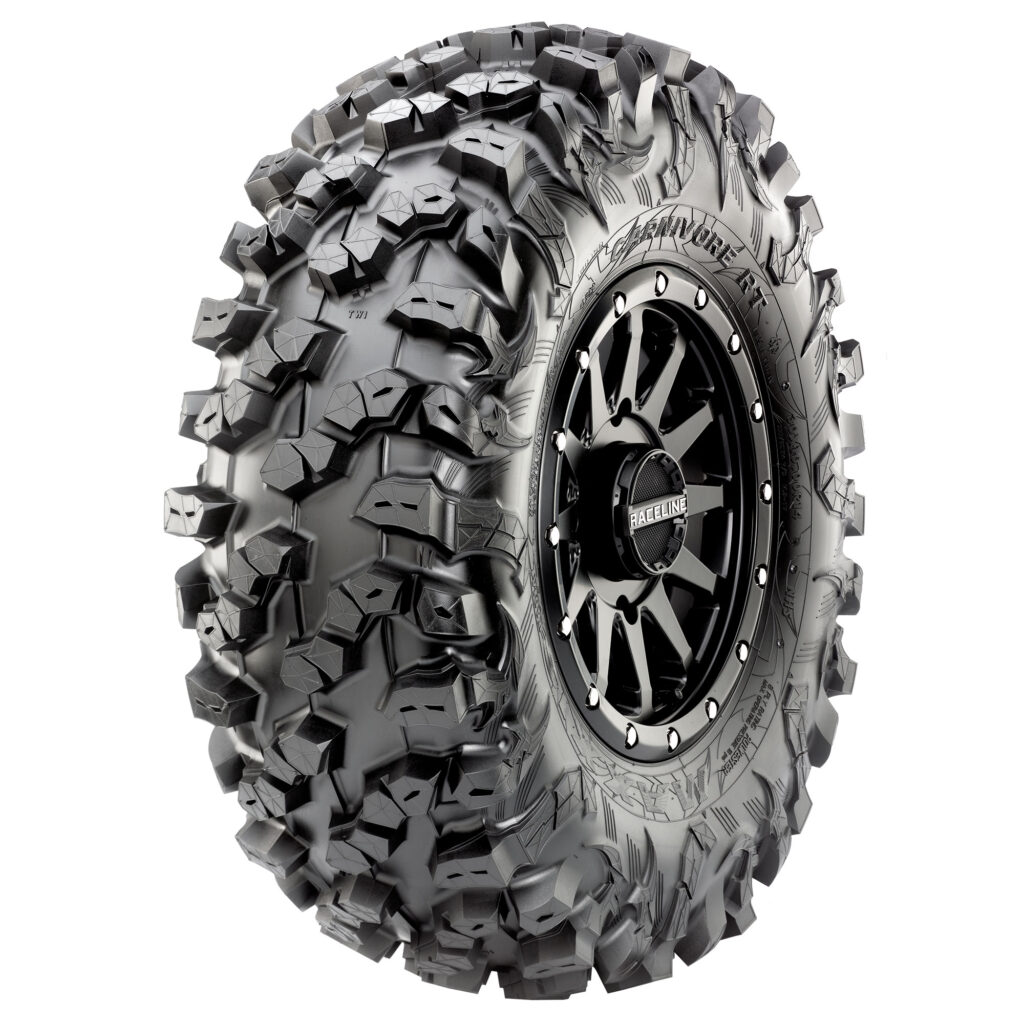
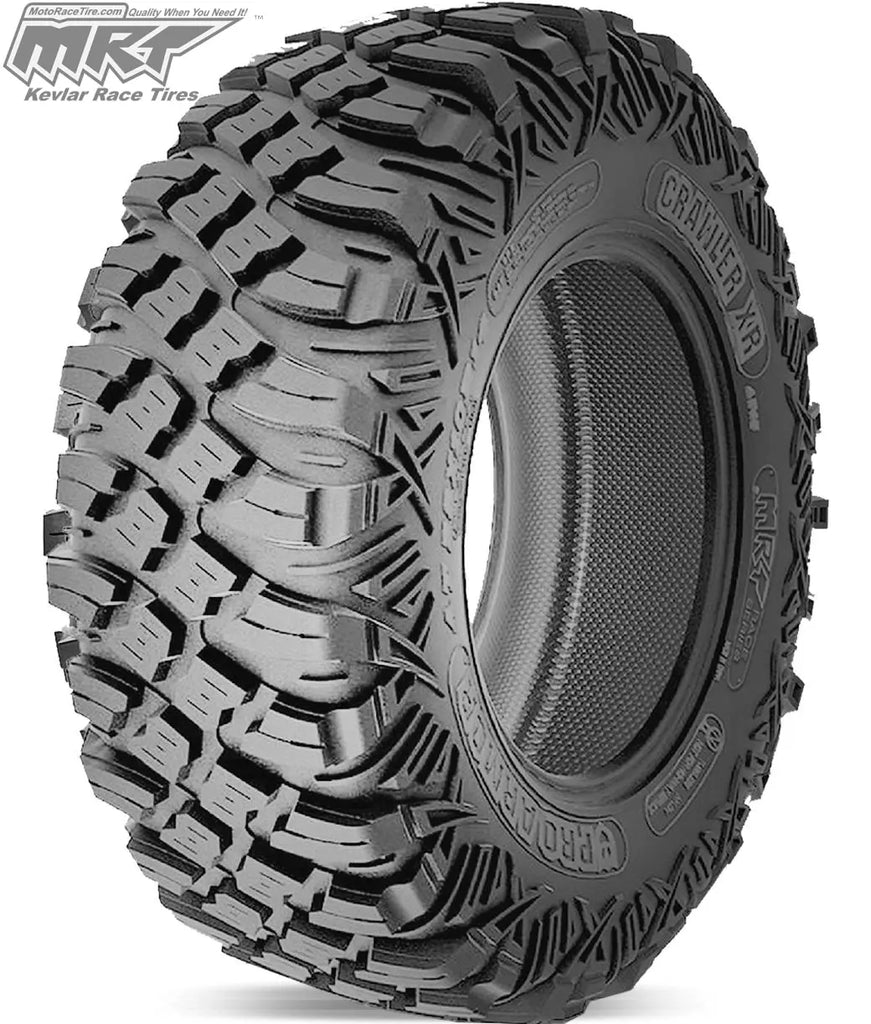
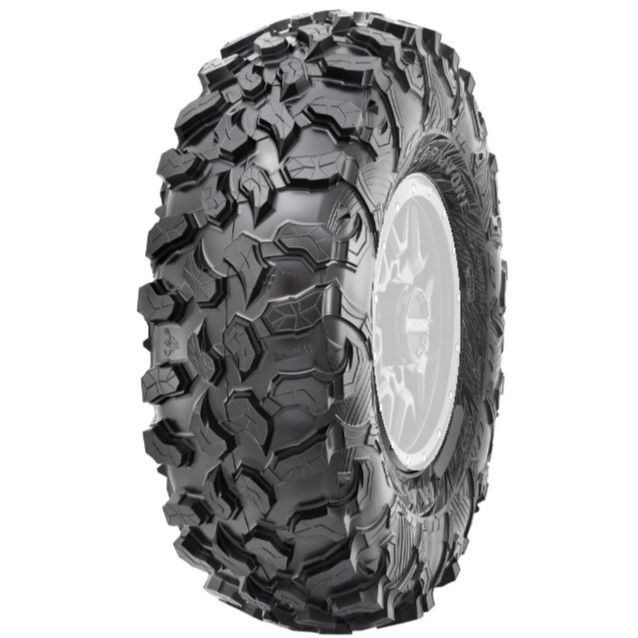

Utility Task Vehicles (UTVs), also known as side-by-sides, are built to conquer tough environments—mud, rocks, sand, snow, and everything in between. But no matter how powerful the engine or advanced the suspension, UTV tires ultimately determine how well the machine performs. The right tires improve traction, enhance stability, protect drivetrain components, and significantly impact ride comfort.
Choosing UTV tires is not just about size or looks. It’s about understanding terrain, load capacity, tread design, rubber compounds, and riding style. Whether you’re a weekend trail rider, a farmer using a UTV for work, or an off-road enthusiast pushing limits, this guide will help you make informed decisions and get the most from your vehicle.
Why UTV Tires Matter More Than You Think
UTV tires are engineered specifically for off-road performance. Unlike standard ATV or truck tires, they are designed to balance traction, flexibility, durability, and weight. The wrong tire choice can lead to excessive wear, poor handling, drivetrain strain, and even safety risks.
High-quality UTV tires provide:
- Improved grip across varied terrain
- Better shock absorption and ride comfort
- Enhanced steering precision
- Reduced risk of punctures and sidewall damage
- Longer service life and lower maintenance costs
In short, your UTV is only as capable as the tires beneath it.
Understanding UTV Tire Construction
Before selecting tires, it’s important to understand how they are built and what makes them different from other off-road options.
1. Ply Rating and Strength
UTV tires typically range from 4-ply to 10-ply ratings. The ply rating indicates the tire’s strength and resistance to punctures.
- 4-6 ply tires are lighter and more flexible, ideal for trail riding and recreational use.
- 8-10 ply tires offer superior durability, making them better for rocky terrain, heavy loads, and aggressive riding.
Higher ply ratings improve protection but can add weight, which may affect acceleration and steering.
2. Rubber Compounds
The rubber compound affects grip and longevity. Softer compounds provide better traction but wear faster, while harder compounds last longer but may sacrifice grip on slick surfaces. Premium UTV tires often use advanced compound blends to balance durability and traction.
3. Sidewall Design
Sidewalls play a crucial role in off-road riding. Reinforced sidewalls protect against cuts and abrasions, especially in rocky environments. Flexible sidewalls allow tires to conform to terrain, improving traction and comfort.
Types of UTV Tires Based on Terrain

4
Selecting the right tire starts with understanding where and how you ride. Below are the most common categories of UTV tires.
Mud Tires
Mud tires are designed with deep, aggressive tread patterns and wide spacing between lugs. This allows mud to clear quickly, preventing clogging and maintaining traction.
Best for:
- Deep mud
- Swamps
- Wet, loose soil
Pros:
- Exceptional forward bite
- Self-cleaning tread design
Cons:
- Noisy on hard surfaces
- Faster wear on pavement or hardpack
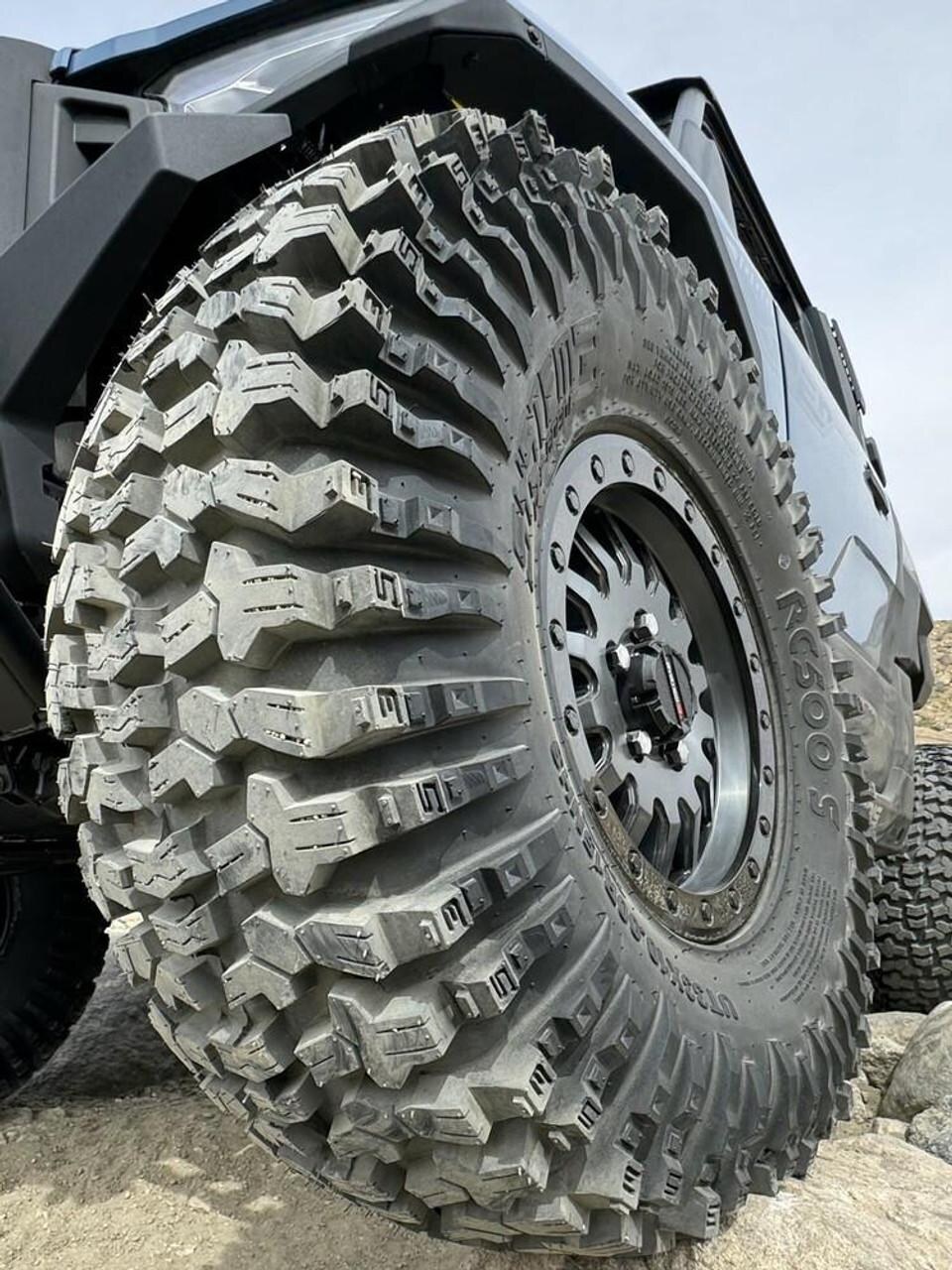
Rock and Crawling Tires
Rock tires focus on maximum grip and durability. They often feature sticky rubber compounds and reinforced sidewalls.
Best for:
- Rocky trails
- Mountain terrain
- Technical crawling
Pros:
- Superior grip on uneven surfaces
- Strong sidewall protection
Cons:
- Higher cost
- Heavier than trail tires
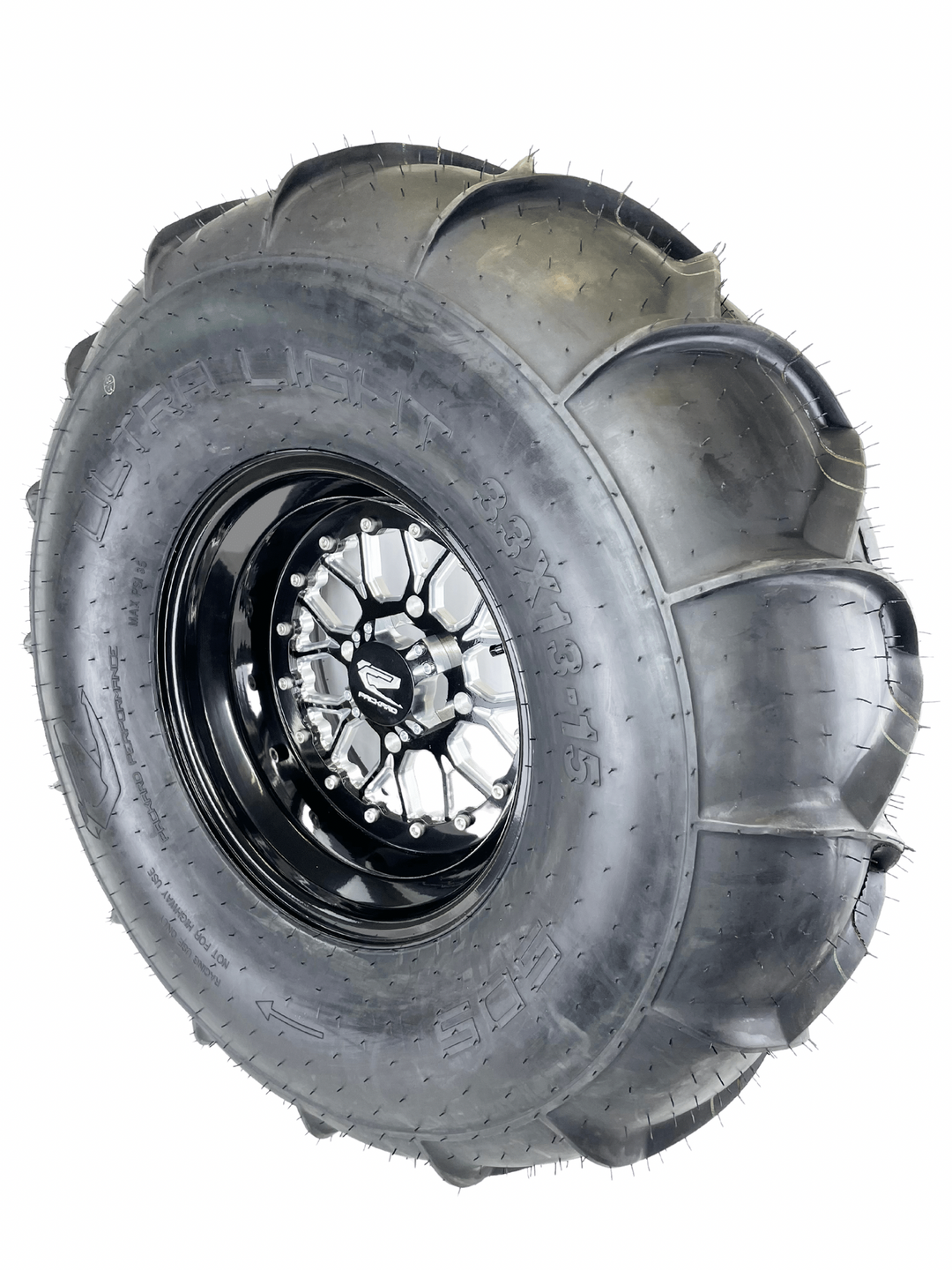
Sand Tires
Sand tires are built for flotation rather than digging. They use paddle-style tread patterns that push sand backward for forward momentum.
Best for:
- Sand dunes
- Beaches
- Desert riding
Pros:
- Excellent flotation
- Minimal rolling resistance
Cons:
- Not suitable for mud or rocks
- Limited versatility
Trail and All-Terrain Tires
Trail tires are the most versatile option, designed to perform well across mixed terrain.
Best for:
- Forest trails
- Hardpack
- Light mud and rocks
Pros:
- Balanced performance
- Smooth ride
- Longer tread life
Cons:
- Less aggressive in extreme conditions
Choosing the Right UTV Tire Size
Tire size impacts ground clearance, stability, and gearing. Most UTVs support a range of tire sizes, but it’s important to stay within manufacturer recommendations.
Key Size Considerations
- Diameter: Larger tires increase ground clearance but may reduce torque.
- Width: Wider tires improve stability but may increase steering effort.
- Weight: Heavier tires can strain axles and suspension components.
Upsizing tires often requires adjustments such as clutch tuning or suspension upgrades to maintain performance and reliability.
Load Rating and Utility Applications
For work-focused UTVs used in farming, construction, or hauling, load rating is critical. Tires must support the combined weight of the vehicle, cargo, passengers, and accessories.
Choosing tires with insufficient load capacity can result in premature wear, poor handling, and potential blowouts. Always verify load ratings before purchasing.
How Tread Pattern Affects Performance

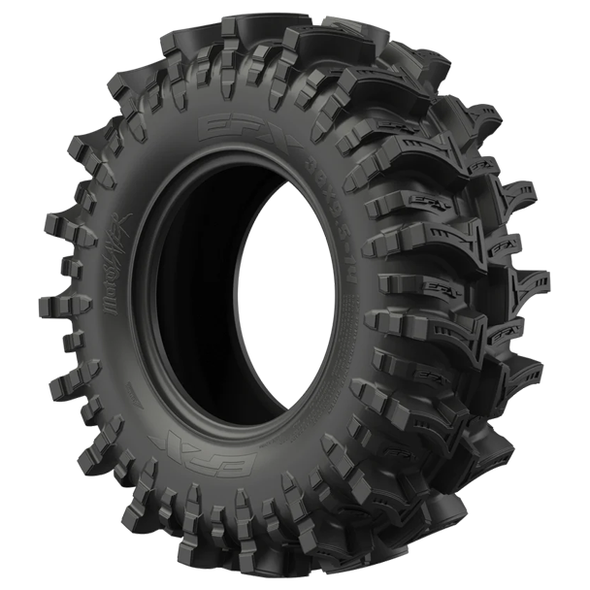

The tread pattern determines how a tire interacts with the ground.
- Deep lugs provide traction in loose terrain
- Angled tread blocks improve cornering grip
- Shoulder lugs enhance side-hill stability
- Tight tread spacing offers smoother rides on hardpack
Matching tread design to your riding environment is essential for optimal performance.
Tubeless vs. Tube-Type UTV Tires
Most modern UTV tires are tubeless, which reduces weight and improves puncture resistance. Tubeless tires also allow for easier repairs using plugs.
Tube-type tires are still used in certain applications but are less common due to increased maintenance and risk of pinch flats.
Tire Pressure: The Overlooked Performance Factor
Proper tire pressure dramatically affects traction and ride quality.
- Lower pressure improves grip and comfort on trails and rocks
- Higher pressure increases load capacity and reduces rolling resistance
Always adjust pressure based on terrain and load, and avoid exceeding recommended limits.
Maintenance Tips to Extend Tire Life
UTV tires are an investment, and proper care can significantly extend their lifespan.
Best Practices
- Regularly inspect for cuts and punctures
- Rotate tires when possible
- Avoid excessive pavement riding
- Store UTVs out of direct sunlight
- Clean tires after muddy rides
Consistent maintenance not only extends tire life but also improves safety and performance.
Common Mistakes to Avoid When Buying UTV Tires
Many riders make avoidable mistakes that cost time and money.
- Choosing aggressive tires for casual trail riding
- Ignoring load ratings
- Oversizing without considering drivetrain impact
- Prioritizing appearance over performance
Being honest about your riding style and needs leads to better long-term satisfaction.
UTV Tires and Performance Upgrades
Tires often work best when paired with other upgrades such as:
- Beadlock wheels for low-pressure riding
- Suspension tuning for larger tires
- Clutch kits to restore power delivery
When planned correctly, these upgrades work together to enhance overall performance.
Final Thoughts: Investing in the Right UTV Tires
UTV tires are more than just accessories—they are essential performance components. The right set can transform how your machine handles, feels, and performs in real-world conditions. By understanding terrain requirements, construction features, and maintenance practices, you can choose tires that deliver confidence, durability, and long-term value.
Whether you ride for work or adventure, investing in quality UTV tires ensures that your side-by-side is always ready for the challenge ahead.