The jumping cholla is one of the most intriguing and misunderstood plants found in the deserts of North America. Known for its ability to latch onto anything that brushes past it, this cactus has earned a fierce reputation among hikers, nature lovers, and botanists alike. Despite its intimidating behavior, the jumping cholla is a remarkable species with unique survival adaptations, stunning appearance, and ecological importance. This in-depth guide explores everything you need to know about the mysterious jumping chola.
Understanding the Jumping Cholla
The jumping chola (Cylindropuntia fulgida) is a cactus species commonly found in the Sonoran Desert, stretching across Arizona, California, and parts of Mexico. Its nickname comes from its tendency to attach its thorn-covered segments to people or animals with the slightest touch. While it doesn’t actually “jump,” its spines are designed to detach quickly, making it seem as though the cactus attacks on its own.
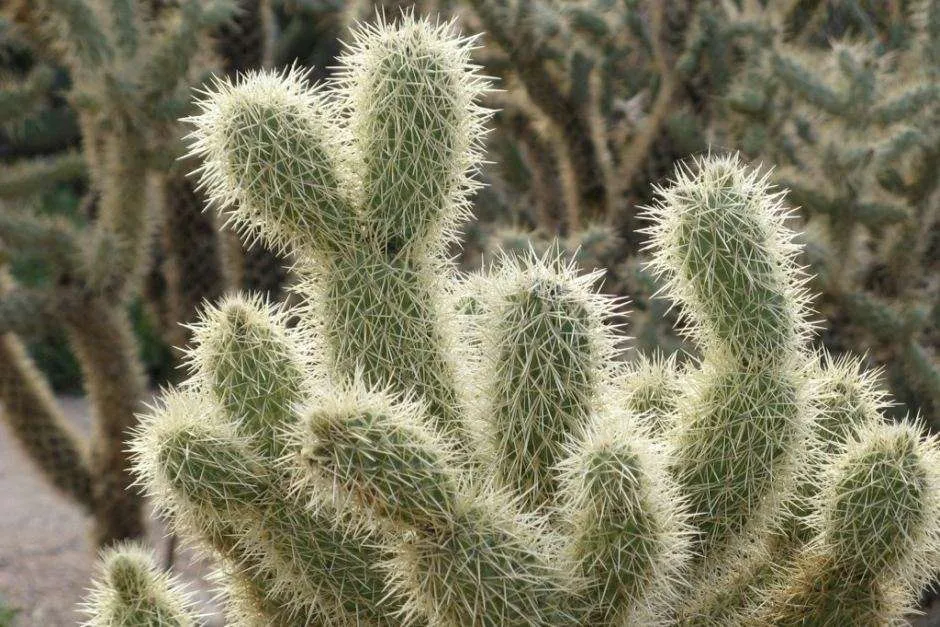
The plant features cylindrical stems, dense clusters of barbed spines, and often produces small but beautiful pinkish-white flowers. Its shimmering appearance, caused by sunlight reflecting off its silvery spines, makes the jumping chola one of the most visually striking cacti in the desert.
Why the Jumping Cholla Is So Unique
The uniqueness of the jumping chola lies in its remarkable evolutionary adaptations. The ease with which segments detach allows the plant to propagate efficiently. When a piece attaches to an animal or falls to the ground, it can take root and form a new cactus. This clever reproduction strategy ensures survival in harsh desert environments.
Here are key features that make the jumping chola stand out:
- Barbed Spines: Designed to embed deeply into flesh or fabric.
- Segment Detachment: Helps in rapid reproduction.
- Reflective Spines: Provide shade and reduce water loss.
- Impressive Height: Can grow up to 15 feet tall.
- Seasonal Flowering: Displays stunning blooms in spring and early summer.
These features make the jumping chola a highly successful desert species.
Where the Jumping Cholla Thrives
The jumping chola primarily grows in:
- The Sonoran Desert
- Southwestern United States
- Baja California
- Northern Mexico
Its ideal environment consists of rocky, sandy, or gravelly soil with full sunlight and minimal shade. These cacti are incredibly drought-resistant and can survive extreme temperatures, making them true desert warriors.
You’ll often find jumping chola plants growing in large groves known as “cholla gardens,” which create breathtaking landscapes across desert terrains.
Why the Jumping Cholla Is Considered Dangerous
The jumping chola isn’t poisonous, but its spines can cause intense pain. The sharp spines include microscopic barbs that hook deeply into skin, making removal difficult. The slightest contact—whether accidental or intentional—can lead to a painful encounter.
Hikers and explorers should be cautious when near jumping chola plants, as even windy conditions can cause detached segments to blow toward unsuspecting individuals.
Key dangers include:
- Deep skin penetration
- Risk of infection
- Difficult removal
- Potential for allergic reaction
Despite these risks, the jumping chola plays an essential ecological role.
Ecological Importance of the Jumping Cholla
The jumping chola is more than just a desert hazard—it’s vital to local ecosystems. Its dense structure provides shelter for small desert animals and birds. Insects and bees also feed on its nectar during blooming season.
Additionally, its fallen segments create habitats for ground-dwelling creatures, while helping stabilize the soil in arid landscapes.
How to Stay Safe Around Jumping Cholla
Whether hiking, camping, or exploring the desert, safety around the jumping chola is essential:
1. Maintain Distance
Stay several feet away from jumping chola plants. Their segments detach with the slightest touch.
2. Wear Protective Clothing
Denim, thick cotton, and leather offer better protection against penetration.
3. Carry a Comb or Tweezers
If a segment attaches, use a comb to carefully flick it off before removing remaining barbs with tweezers.
4. Watch Your Step
Many injuries come from stepping on fallen segments scattered across the ground.
5. Stay Vigilant in Windy Conditions
Strong winds can carry small segments through the air.
Following these steps helps ensure safe exploration without painful encounters with the jumping chola.
How the Jumping Cholla Reproduces
The reproductive strategy of the jumping chola is one of the most effective in the cactus world. Instead of relying mainly on seed production, it thrives through vegetative propagation.
- Segments detach easily.
- These segments root in new soil.
- A new plant grows from the fallen piece.
This method allows the jumping chola to spread rapidly across the desert, forming dense colonies.
Common Myths About the Jumping Cholla
Because of its intimidating nature, several myths surround the jumping chola:
Myth 1: The cactus literally jumps.
It doesn’t jump—the name refers to how easily its segments latch onto passersby.
Myth 2: The spikes are poisonous.
The jumping chola is not toxic, though its spines cause pain due to deep penetration.
Myth 3: It only grows in extreme heat.
The cactus thrives in full sun but can tolerate cooler desert temperatures.
Understanding the truth behind these myths helps appreciate the cactus better.
FAQs About the Jumping Cholla
1. Why is it called a jumping cholla?
The jumping chola earned its name because its segments detach easily and cling to anything that brushes by, giving the illusion that they “jump.”
2. Are jumping chola spines poisonous?
No, jumping chola spines are not poisonous, but they can cause pain and infection if not removed properly.
3. How do you remove a jumping chola spine?
Use a comb to flick off the segment, then gently pull out remaining spines with tweezers.
4. How tall can a jumping cholla grow?
A mature jumping chola can reach heights of 10 to 15 feet.
5. Where can I find jumping cholla in the wild?
They are commonly found in the Sonoran Desert regions of Arizona, California, and northern Mexico.
Conclusion
The jumping cholla is one of nature’s most impressive desert plants. Known for its striking appearance, efficient reproduction strategies, and painful spines, it remains an iconic symbol of the North American desert. While the jumping chola should be approached with caution, it also deserves admiration for its resilience, ecological importance, and evolutionary brilliance. Whether you encounter it in a cholla garden or learn about it from afar, this cactus showcases the beauty and complexity of desert life.